
SUMMER 2026 | Under the Same Sky
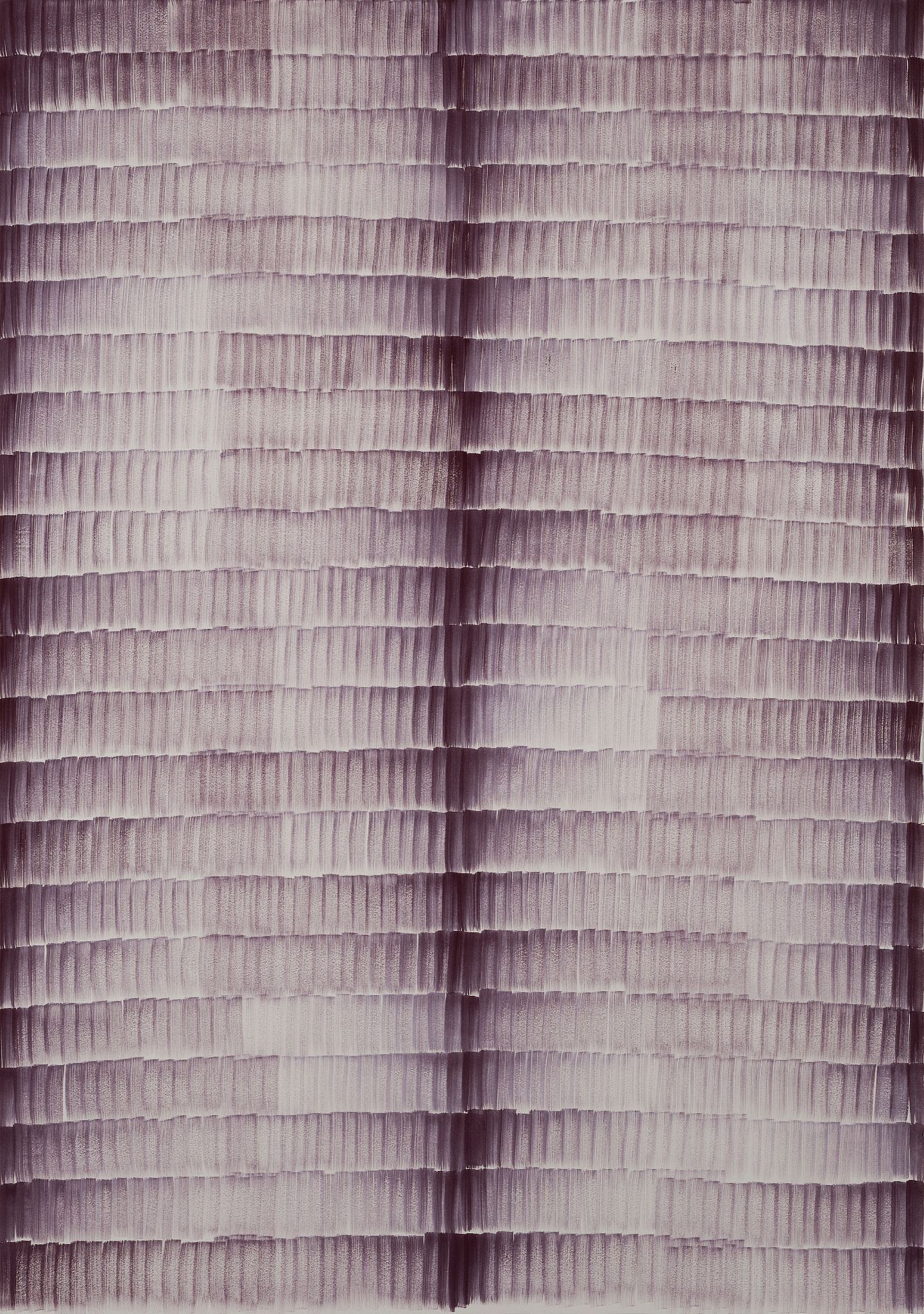


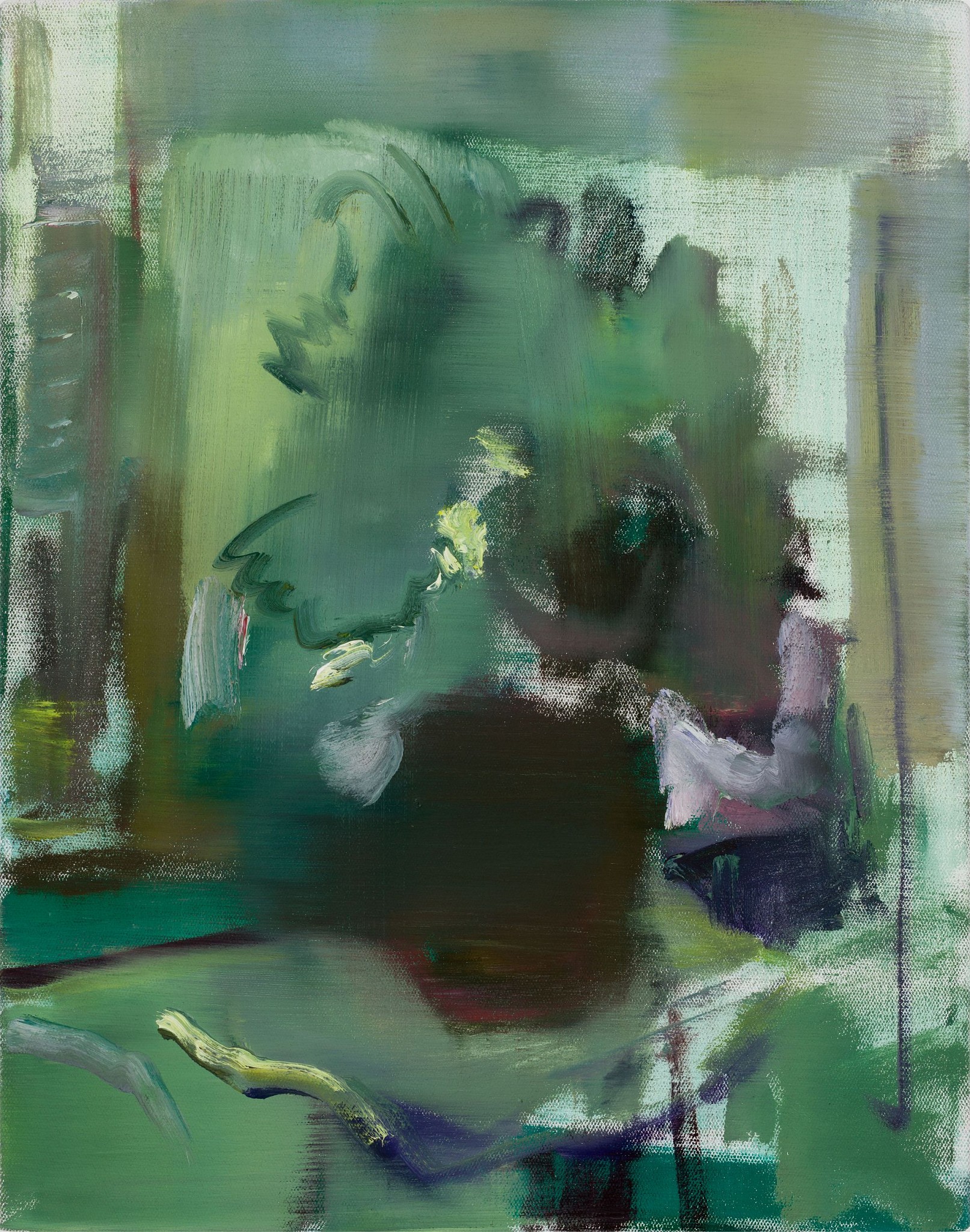
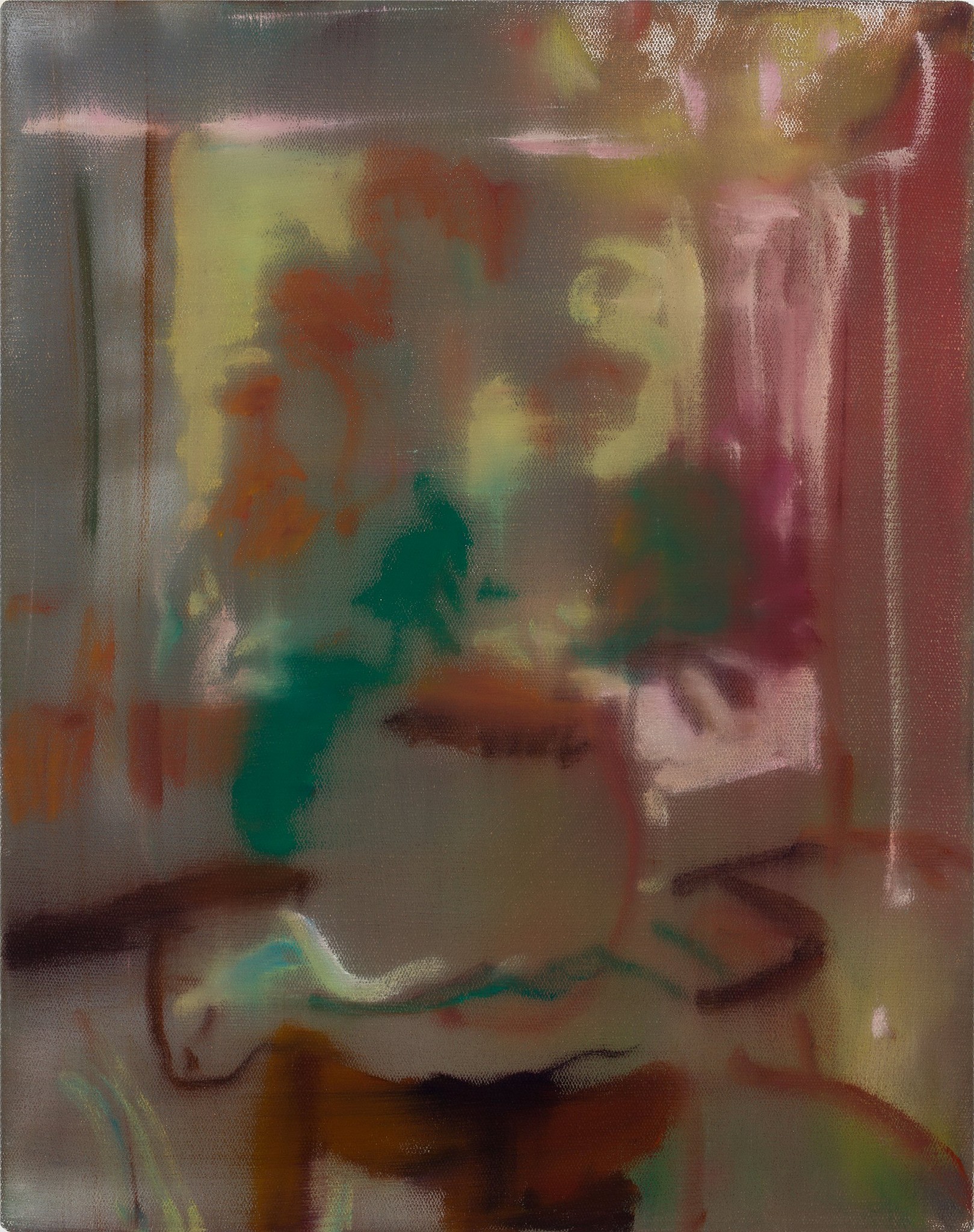
CATHY ABRAHAM, Caput mortem ghost
oil on Fabriano Rosapina paper, 100 x 70 cm
Abraham calls her brushstrokes ‘ghosts’ as a metaphor. The pigment of the brush comes and goes like ghosts of memory or as actual ghosts do. Sometimes very intense when the brush is first dipped in paint, until it is very faint at the end of its allotted count, but always there is a residue. These memories, or ghosts, often occur simultaneously and overlap. The brushstrokes do this in the paintings too.
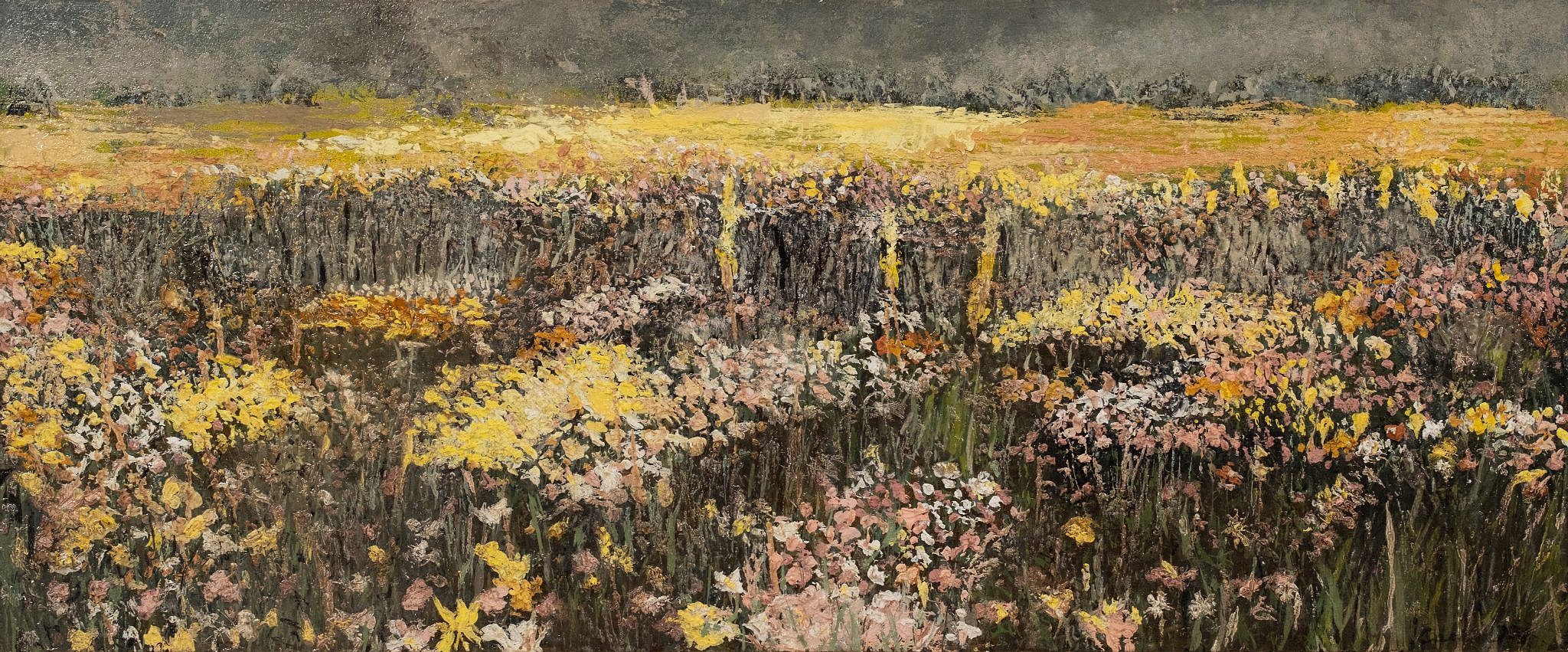
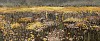
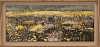
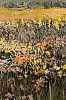
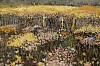
ARABELLA CACCIA, Namaqualand Flowers
Oil on board, 25 x 60 cm
Cape Town-based artist Arabella Caccia’s work is fundamentally rooted in the importance of process. Using an ‘alphabet’ of glyphs derived from her study of nature, she employs two- and three-dimensional mark-making to express a state of being. This journey is brought to life through a variety of mediums, including oil, embroidery, and mixed media.
"My hope is that my art and the journey that shaped it inspires others to cultivate a playful curiosity about nature”, says Caccia. “I believe that focused, meditative creation leads to work of honesty and integrity. Through my work, I aim to invite others to experience the beauty and magic of nature with the same appreciation I've been fortunate to encounter. It is my hope that my creations serve as a bridge, connecting people to the beauty and magic of the natural world."
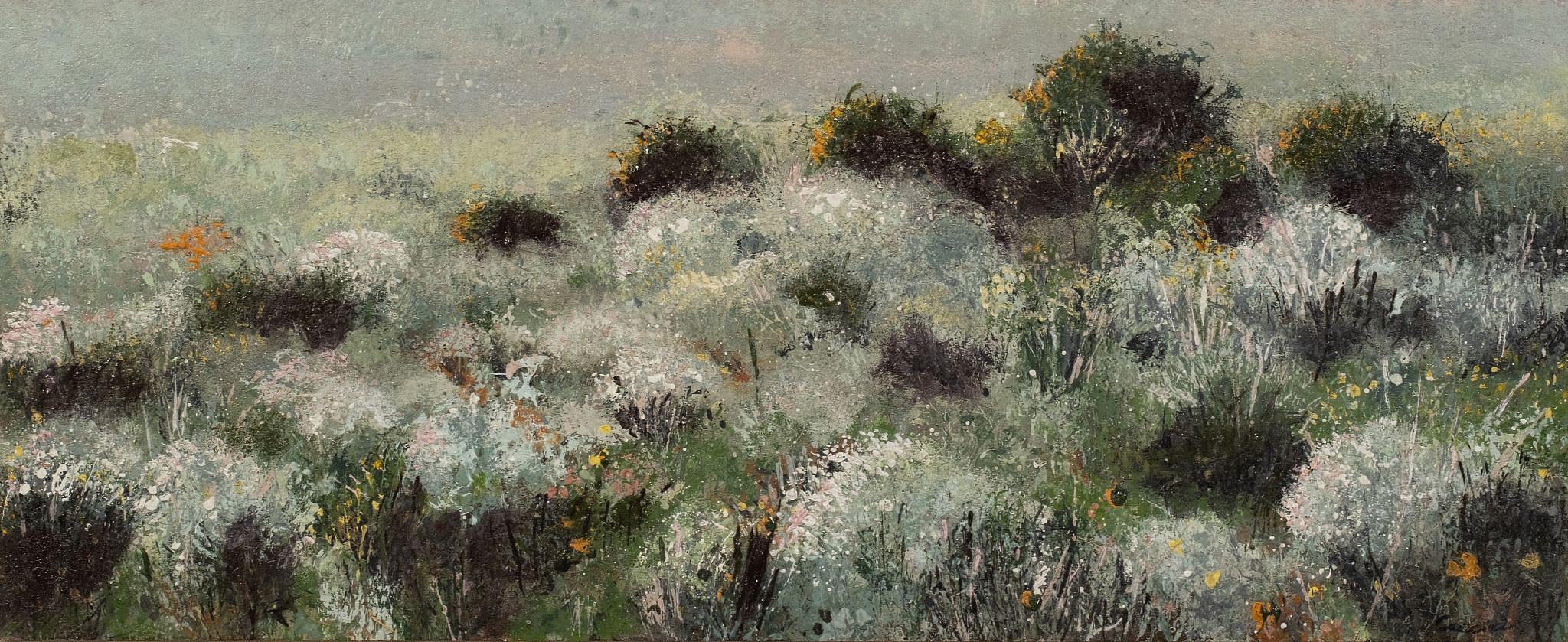
ARABELLA CACCIA, Renosterveld
Oil on board, 25 x 60 cm
Caccia draws inspiration from the natural light that generously blesses the southern tip of the African continent where she lives, and the wild places to which she travels to find solitude and silence. The feeling of calm and quiet in her work embodies the environment she attempts to creates around her, to find inspiration and feed her creative instincts.
Renosterveld is a term used for one of the major plant communities and vegetation types of the Cape Floral Kingdom in South Africa.
Directly translated in the Afrikaans, Renosterveld means "rhinoceros-field", a possible reference to the high number of rhinoceroses seen by the Afrikaner settlers at the time. It may also derive its name from the renosterbos (rhinoceros bush), which is a common species of shrub found there.
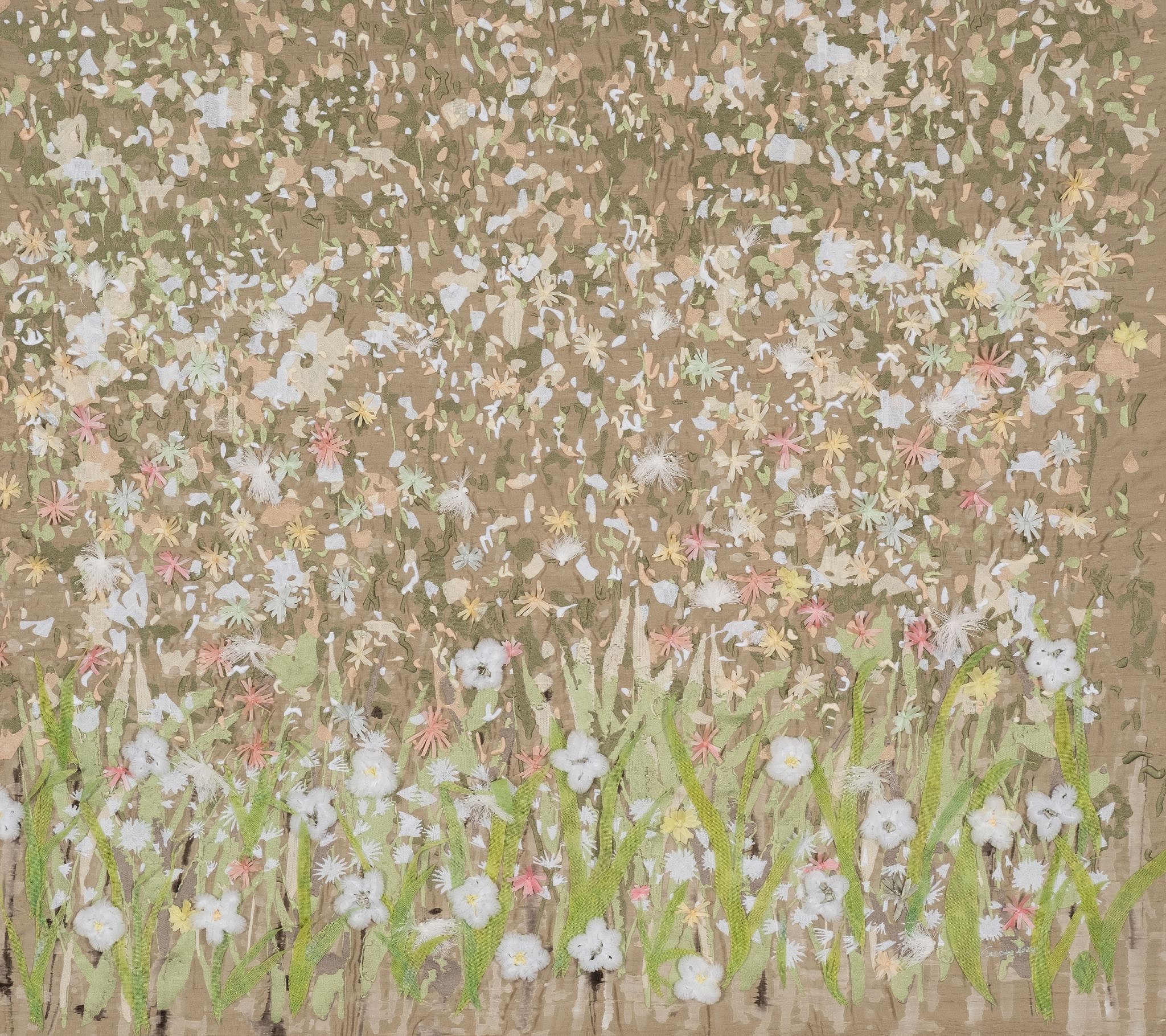
ARABELLA CACCIA, Veld Flowers
Embroidery and appliqué on hand-painted silk, 108 x 103 cm
Caccia draws inspiration from the natural light that generously blesses the southern tip of the African continent where she lives, and the wild places to which she travels to find solitude and silence. The feeling of calm and quiet in her work embodies the environment she attempts to creates around her, to find inspiration and feed her creative instincts.
Inspired by the seasonal transformation of the Namaqualand desert, where barren terrain bursts into a spectacle of wildflowers, this work captures the interplay of resilience and fragility in nature. The shifting hues, fleeting blooms, the play of light and dark on natural forms and the vast, open spaces of the veld mirror the ever-evolving relationship between place and perception.

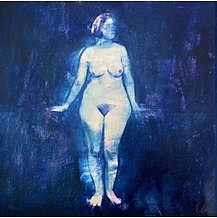
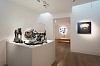
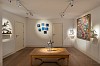
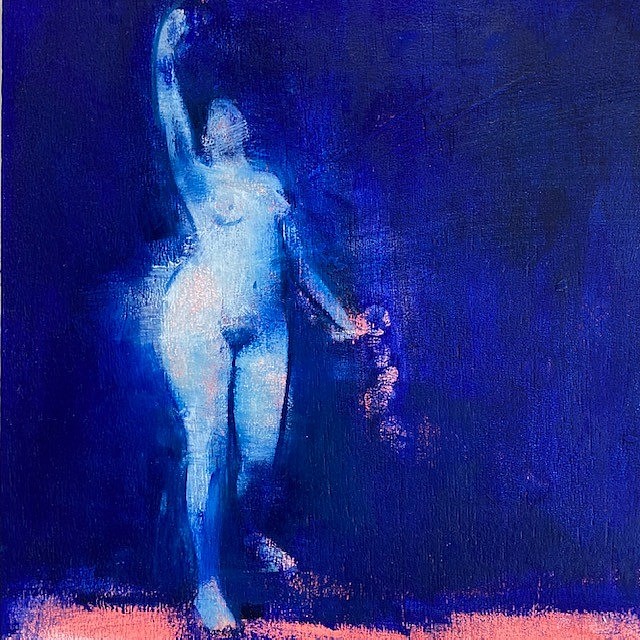
LOUISE MASON, Moonlit Nude
Oil on board, 20 x 20 cm
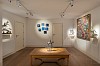
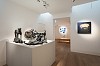
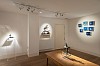
The subject matter of Mason’s work, although wide and varied, is typically centred around the aesthetic use of colour, form and texture. This collection of diminutive nudes are rendered in a dreamy midnight blues pay homage to the sinuous nature of the female form. ‘I seem to paint smaller works when I am surrounded by uncertainty. Both in the world and also my creative journey. I have really enjoyed painting these smaller female figures, I like the energy I can capture by working the whole surface of the painting at the same time. I suppose they represent the elusive muse. An artist’s inspiration. That feeling that exists just out of reach. Sometimes only when we are dreaming.’
– Louise Mason
LOUISE MASON, Naiad
Oil on board, 20 x 20 cm
The subject matter of Mason’s work, although wide and varied, is typically centred around the aesthetic use of colour, form and texture. This collection of diminutive nudes are rendered in a dreamy midnight blues pay homage to the sinuous nature of the female form. ‘I seem to paint smaller works when I am surrounded by uncertainty. Both in the world and also my creative journey. I have really enjoyed painting these smaller female figures, I like the energy I can capture by working the whole surface of the painting at the same time. I suppose they represent the elusive muse. An artist’s inspiration. That feeling that exists just out of reach. Sometimes only when we are dreaming.’
– Louise Mason
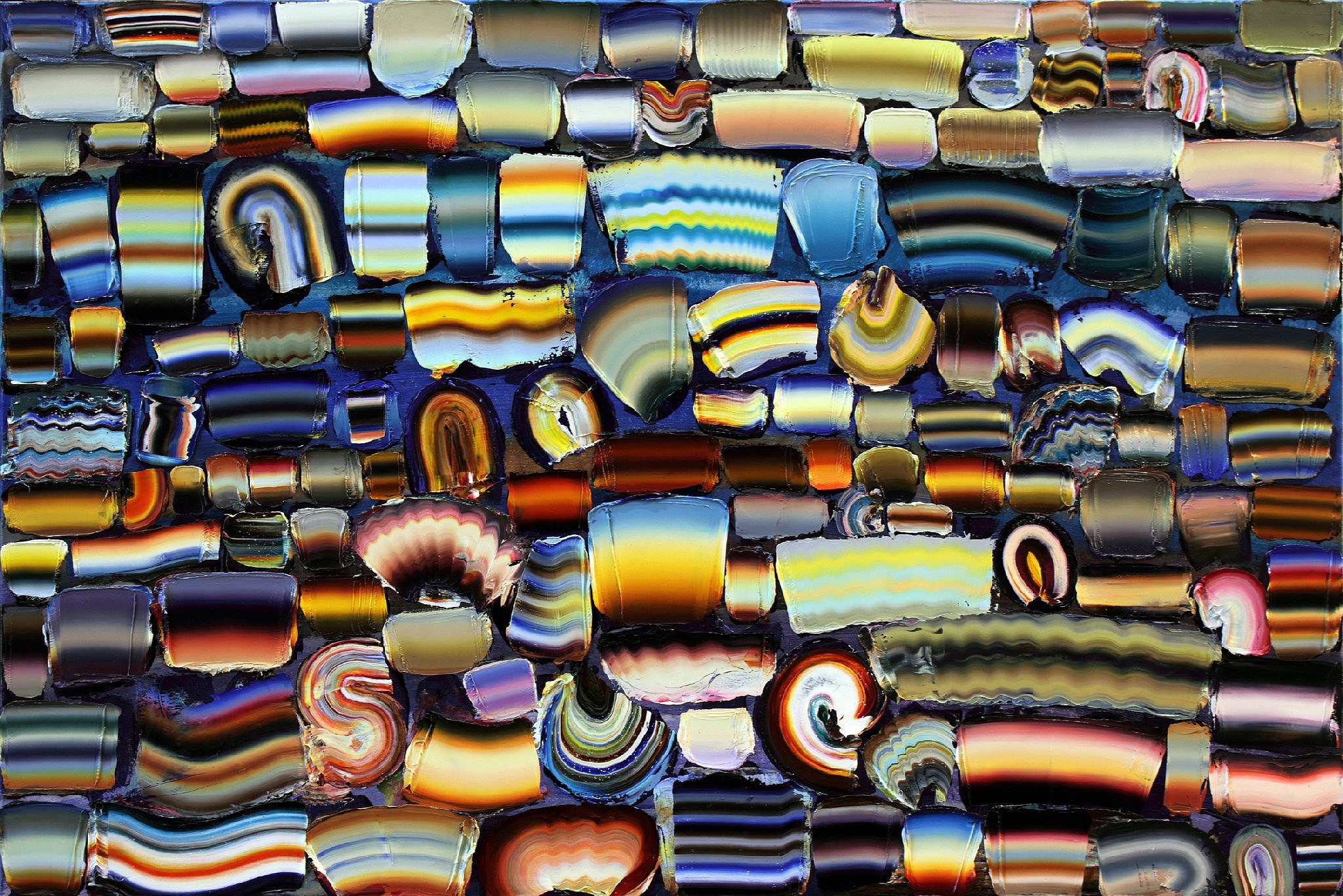
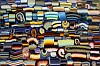
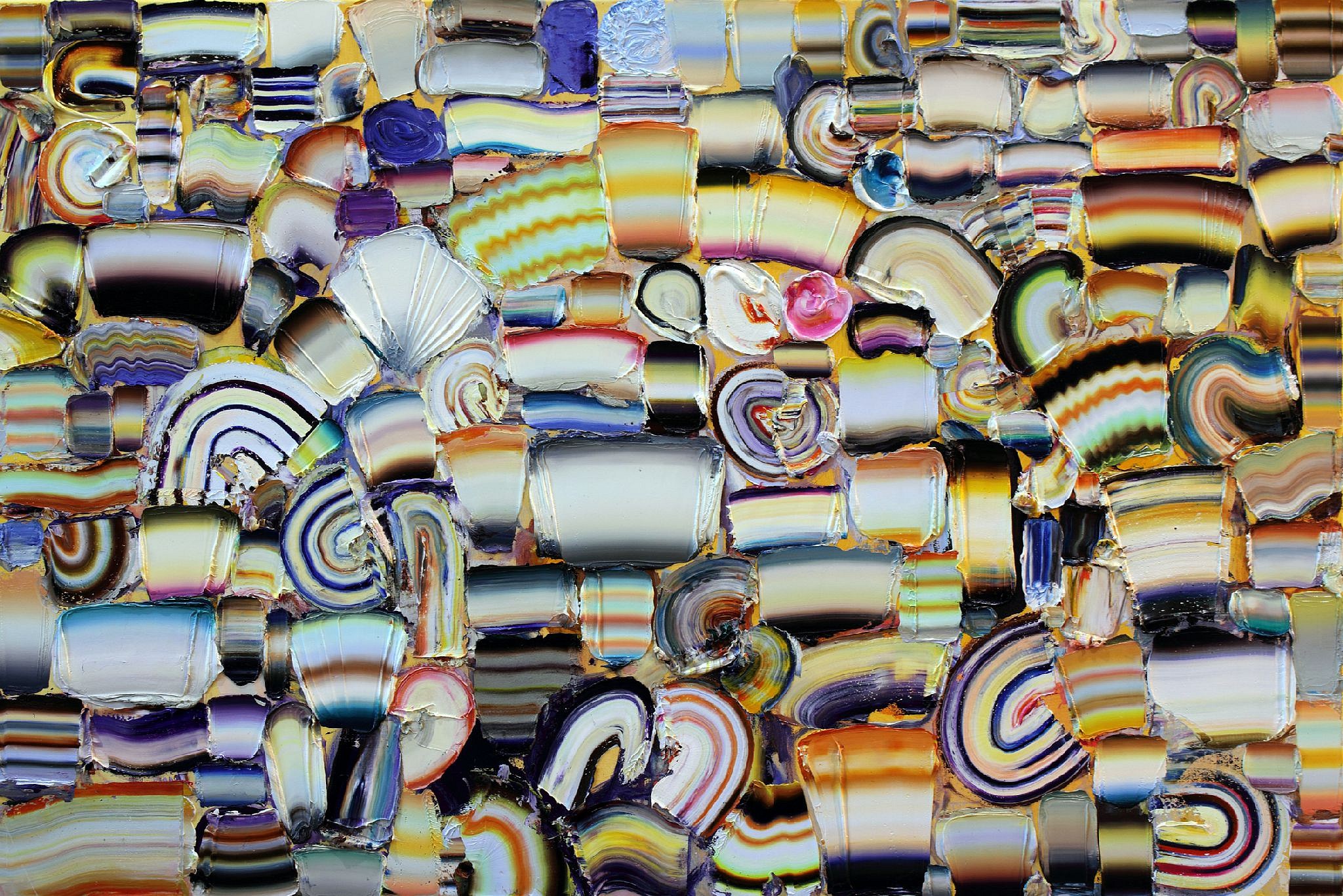
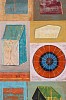
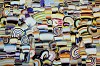
NIGEL MULLINS, Pragmatic, Jubilant, Organised
Oil on canvas, 100 x 150 cm (39 1/4 x 59 in.)
Nigel Mullins perceives his abstract works to be consoling and energizing structures. ‘These works are intended, at the simplest level, to activate a positive emotional state on entering the exhibition in a similar way to how stained glass windows in cathedrals may open one up to a state of contemplation,’ says Mullins. 'They do, however, also work as a positive visual metaphor for human endeavour [...] The act of compiling a series of colours and marks on a canvas is for me, a minimalist meditation on the nature of human constructs, both physical and social. The paintings, like culture, are the result of the accrual of choices, order, chaos and chance.’
Nigel Mullins has had numerous solo exhibitions in South Africa, the UK and Germany and has taken part in some 50 group shows. His work has been represented at the Cape Town, Johannesburg, Frankfurt and London art fairs and on the Mumia International Underground Animation Festival, Brazil. Mullins work is held in public and private collections in South Africa, the UK and Europe.
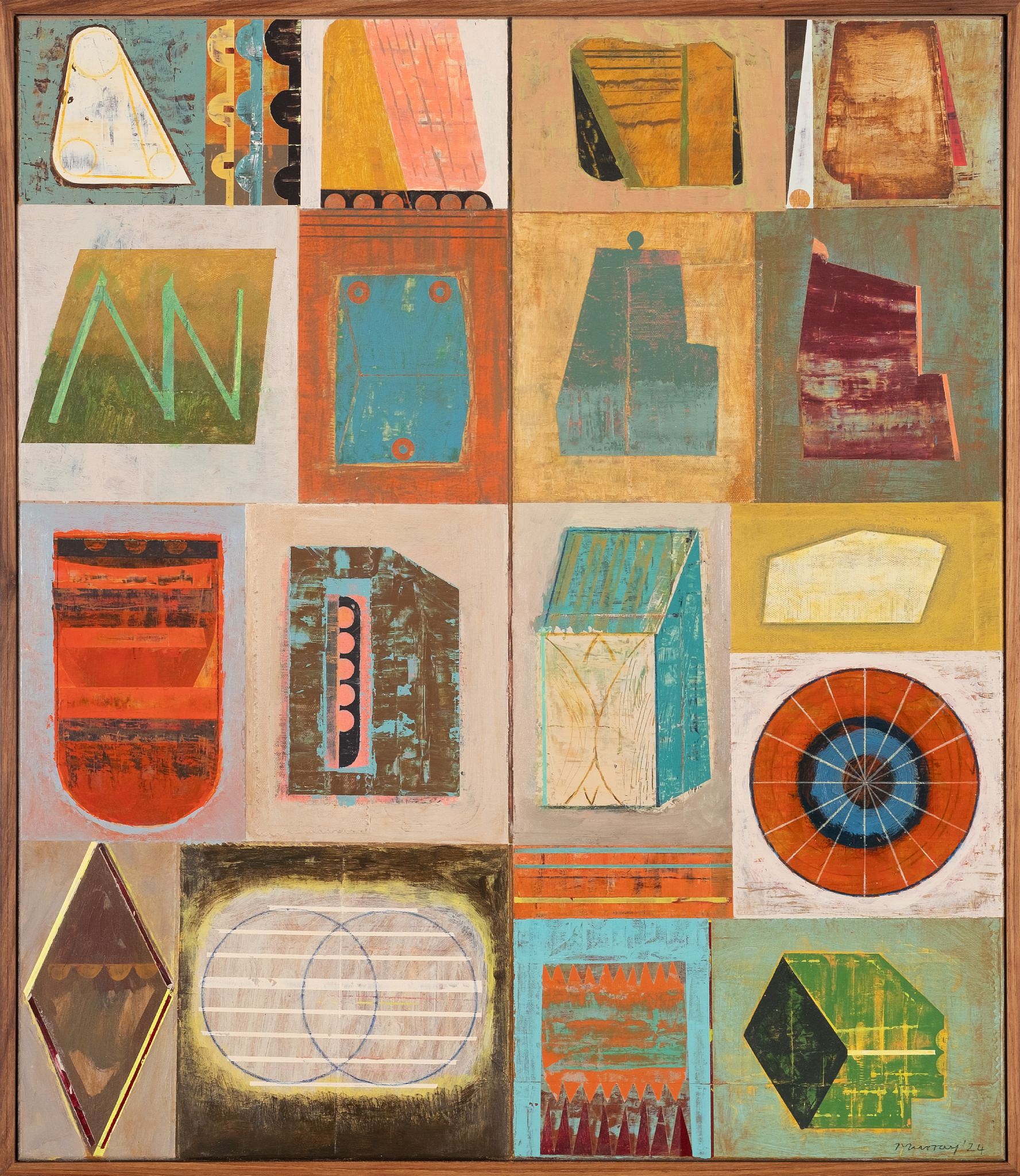
JOHN MURRAY, Cul-de-Sac
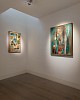
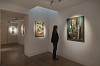
acrylic on board, 70 x 60.5 cm
John Murray is a South African painter living and working in Cape Town. Finding significance in the contrasting states between the tangible and the imperceptible, playfulness and seriousness, Murray moves between representational and nonrepresentational forms.
In Murray’s paintings the process of how the mind connects pictorial fragments and observations recalls the darting of the eye, the saccade at the heart of how the human brain processes visual information. The resulting images on canvas are a rewiring of conventional seeing, a mapping of the unconscious scramble of visual moments. The juxtaposition of forms and surfaces in Murray’s works are accumulative yet they simultaneously speak to the breaking down of a comfortable way to look at or ‘see’ the world around us.
- Natasha Norman
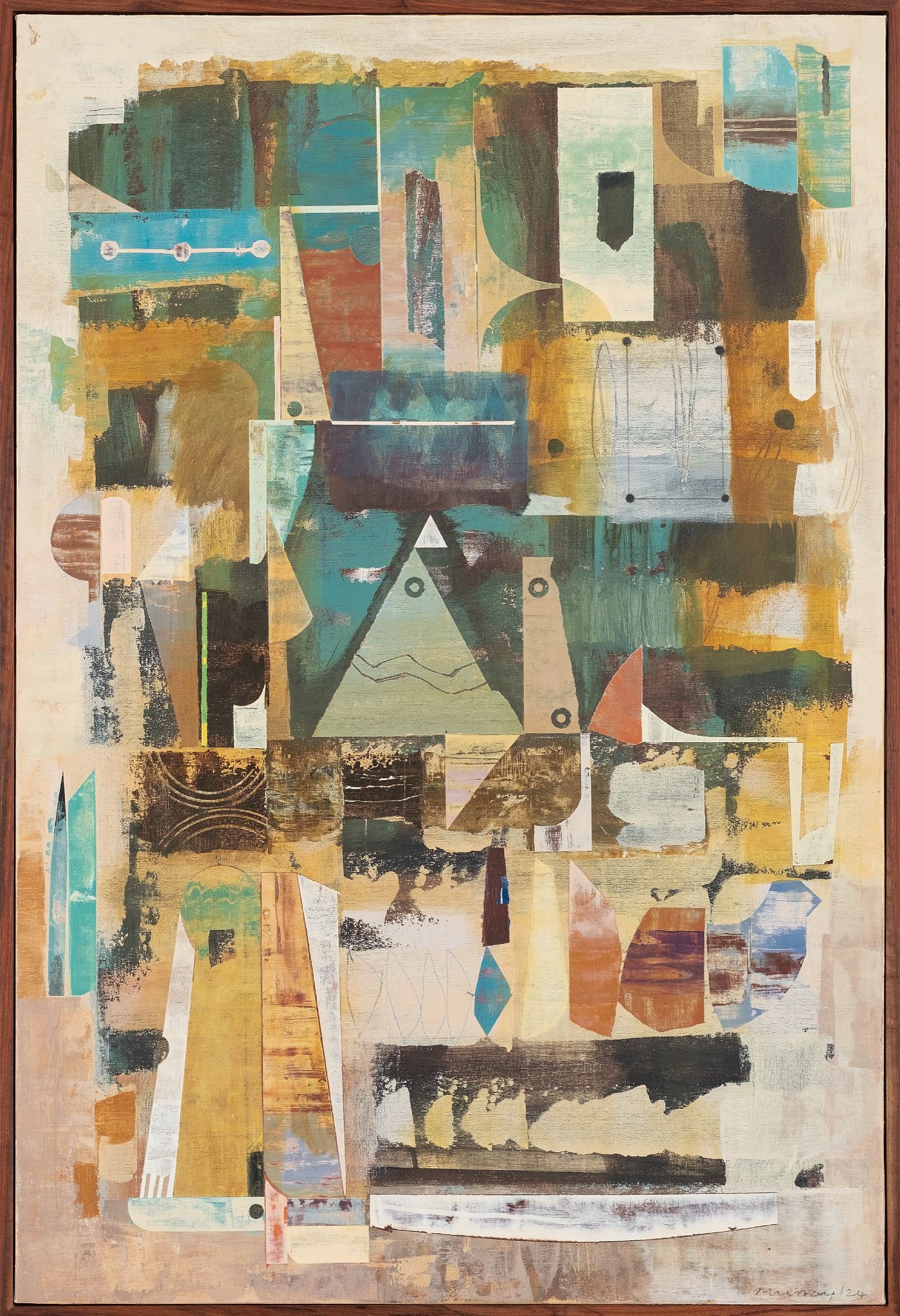
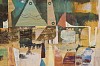
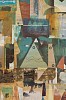
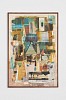
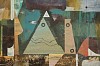
JOHN MURRAY, Retreat II
Acrylic on canvas, 85 x 57 cm
John Murray is a South African painter living and working in Cape Town. Finding significance in the contrasting states between the tangible and the imperceptible, playfulness and seriousness, Murray moves between representational and nonrepresentational forms.
In Murray’s paintings the process of how the mind connects pictorial fragments and observations recalls the darting of the eye, the saccade at the heart of how the human brain processes visual information. The resulting images on canvas are a rewiring of conventional seeing, a mapping of the unconscious scramble of visual moments. The juxtaposition of forms and surfaces in Murray’s works are accumulative yet they simultaneously speak to the breaking down of a comfortable way to look at or ‘see’ the world around us.
- Natasha Norman
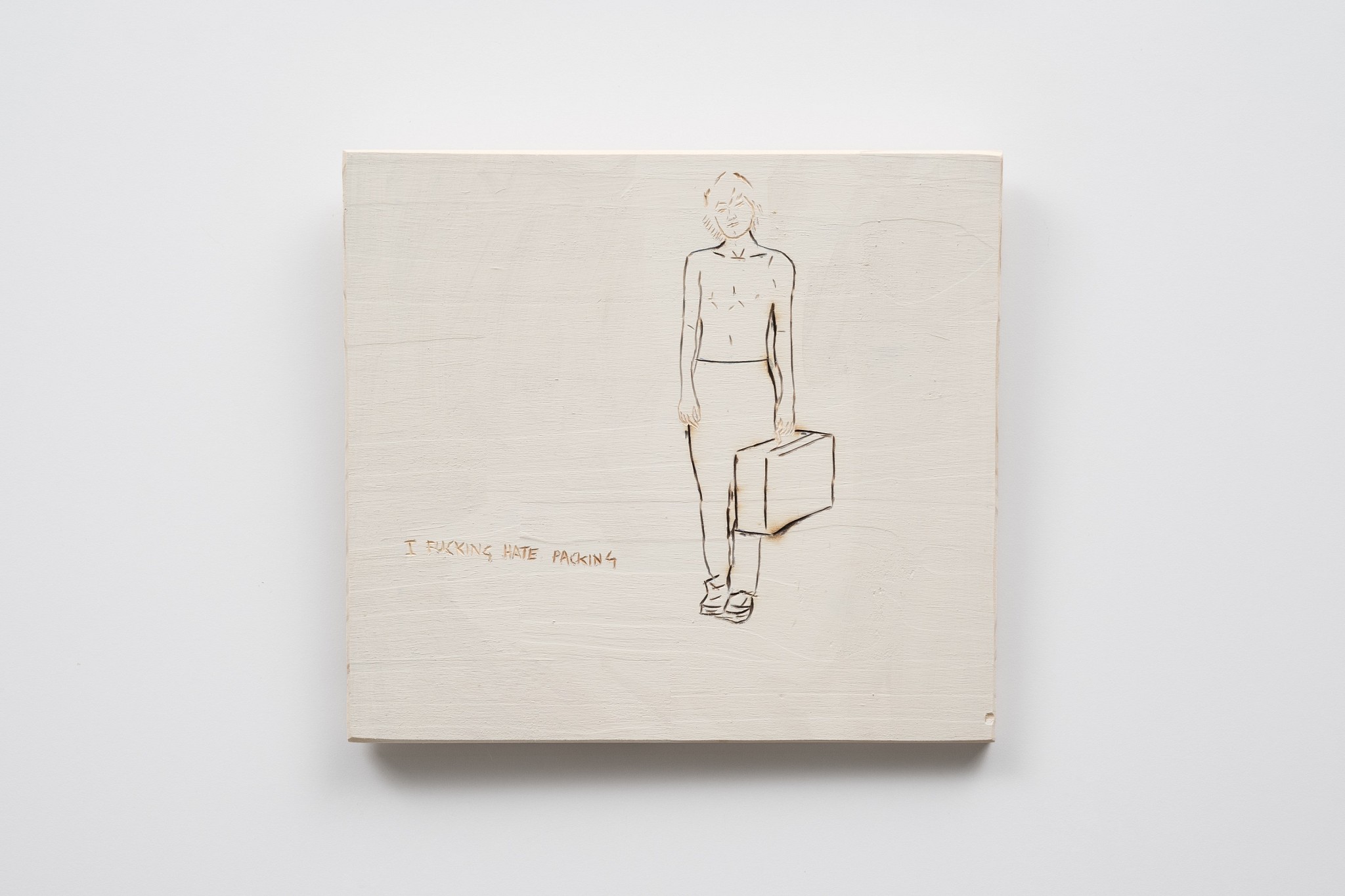
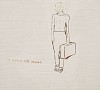
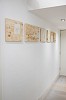
BRETT CHARLES SEILER, Jeremy with a Suitcase, I Hate Fucking Packing
engraving on painted wood, 30.5 x 33.5 cm
"Through his paintings, Brett Charles Seiler creates an interior world which wavers between desire and anxiety. He explores the male body, domestic space, poetry, Queer history, Biblical symbolism, love and alienation, as well as the possibilities of painting as a medium. His experimentation with material, colour, and line has culminated in a unique and carefully honed style.
In his search for materials which are both evocative and easily accessible, Seiler’s early paintings included found objects such as old black-and-white photographs and fabric. Though these objects have mostly been stripped away from his most recent paintings, they have been absorbed as visual strategy. The photographs are present in the snapshot-like, narrative atmosphere of the depicted scenes, and in the colour palette and tones. The interest in fabric can be seen in his treatment of the canvas as an important part of the finished work. The rawness of the surface and the sketched quality of the lines add to the feeling that we are witnessing a brief, urgent moment in time which has passed but been memorialised."
– Khanya Mashabela, writer, curator and artist
Seiler graduated from the Ruth Prowse School of Art in 2015. In addition to his solo exhibitions, Seiler has been included in various group exhibitions and fairs, including a performance piece with Luvuyo Nyawose titled ‘Reading Homophobia’ (2017) at the A4 Arts Foundation in Cape Town, curated by Kemang Wa Lehulere and Zipho Dayile, and the Cologne Art Fair with Galerie Eigen + Art in 2021.
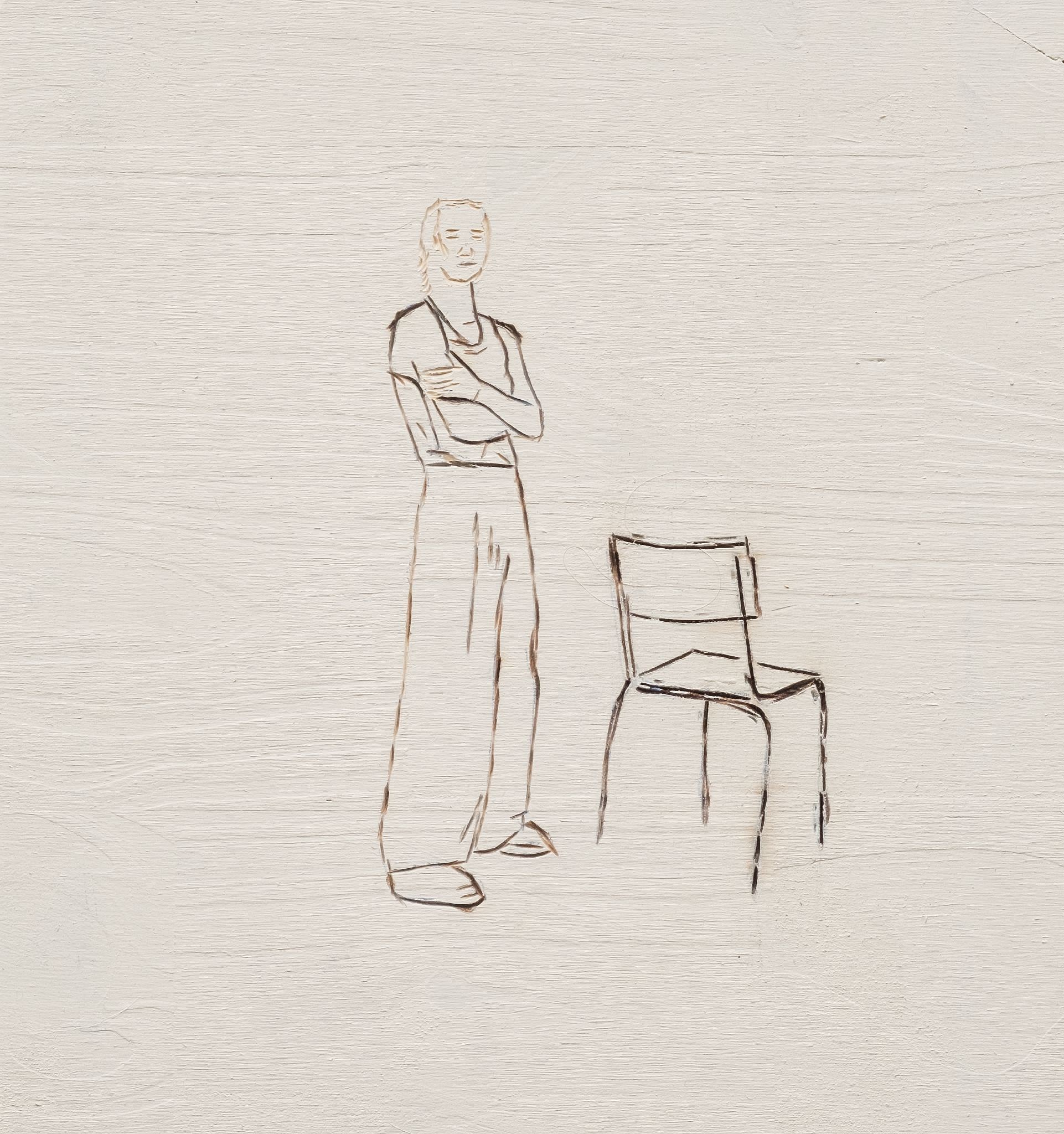
BRETT CHARLES SEILER, Meg
engraving on painted wood, 30.5 x 29 cm
Through his paintings, Brett Charles Seiler creates an interior world which wavers between desire and anxiety. He explores the male body, domestic space, poetry, Queer history, Biblical symbolism, love and alienation, as well as the possibilities of painting as a medium. His experimentation with material, colour, and line has culminated in a unique and carefully honed style. In his search for materials which are both evocative and easily accessible, Seiler’s early paintings included found objects such as old black-and-white photographs and fabric. Though these objects have mostly been stripped away from his most recent paintings, they have been absorbed as visual strategy. The photographs are present in the snapshot-like, narrative atmosphere of the depicted scenes, and in the colour palette and tones. The interest in fabric can be seen in his treatment of the canvas as an important part of the finished work. The rawness of the surface and the sketched quality of the lines add to the feeling that we are witnessing a brief, urgent moment in time which has passed but been memorialised.
– Khanya Mashabela, writer, curator and artist
Seiler graduated from the Ruth Prowse School of Art in 2015. In addition to his solo exhibitions, Seiler has been included in various group exhibitions and fairs, including a performance piece with Luvuyo Nyawose titled ‘Reading Homophobia’ (2017) at the A4 Arts Foundation in Cape Town, curated by Kemang Wa Lehulere and Zipho Dayile, and the Cologne Art Fair with Galerie Eigen + Art in 2021.

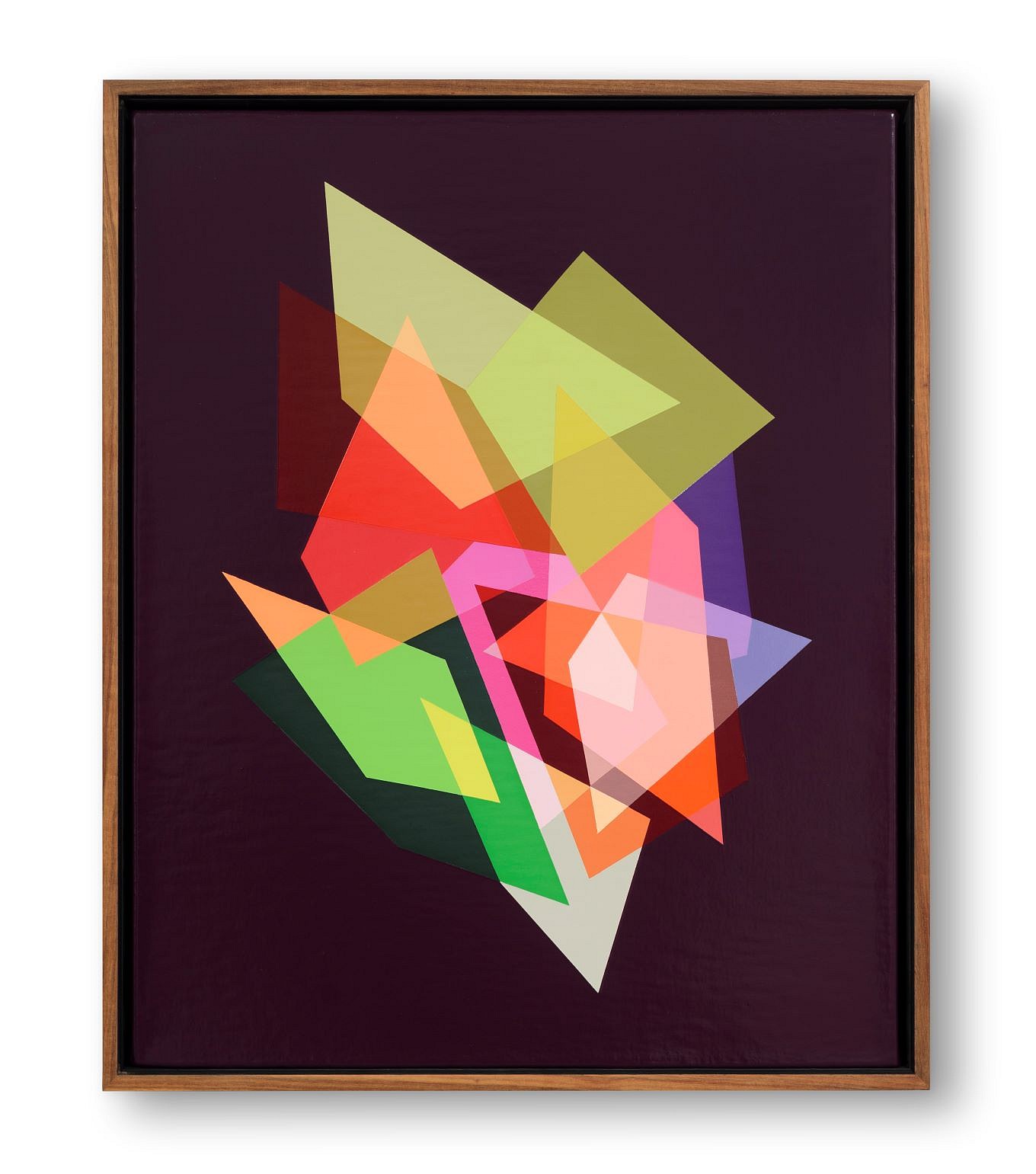
ANDRZEJ URBANSKI, A06/55/419/22
Acrylic and spray paint on canvas, 50 x 40 cm
‘I believe I can be better than the machine.’ The street runs deeply in his Andrzej Urbanski blood. The artist left his days of full-time train ‘bombing’ back in Berlin where he started writing in his teens and now creates large, shimmering, optically bending artworks composed from the architectural squares, triangles and hexagons of today’s contemporary built environment.





Specialists in contemporary art from South Africa. Established in 1913. South African artists are part of the global conversation. We seek to make their voices heard.