
DIRECTOR'S SELECTION | October 2026

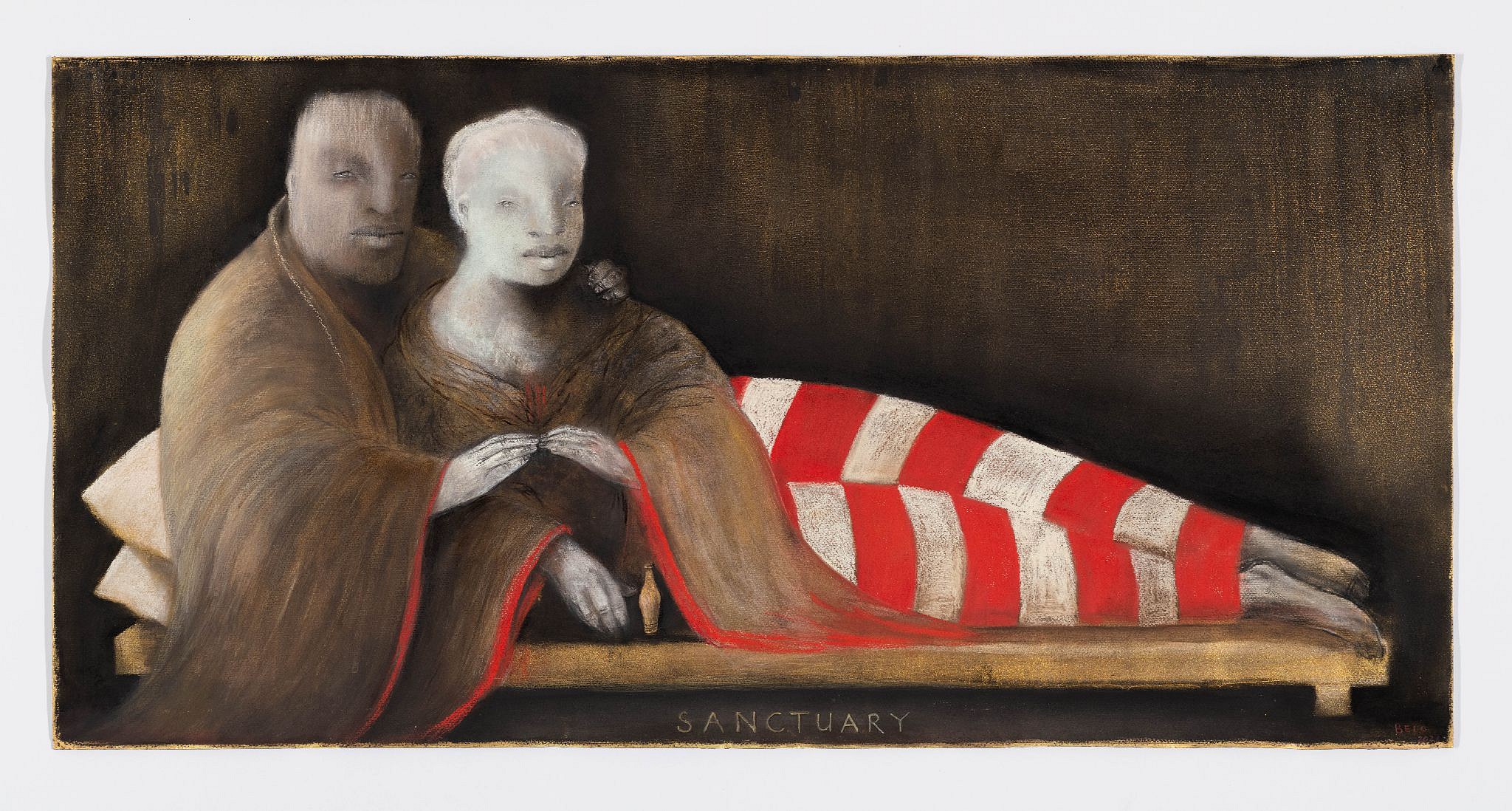



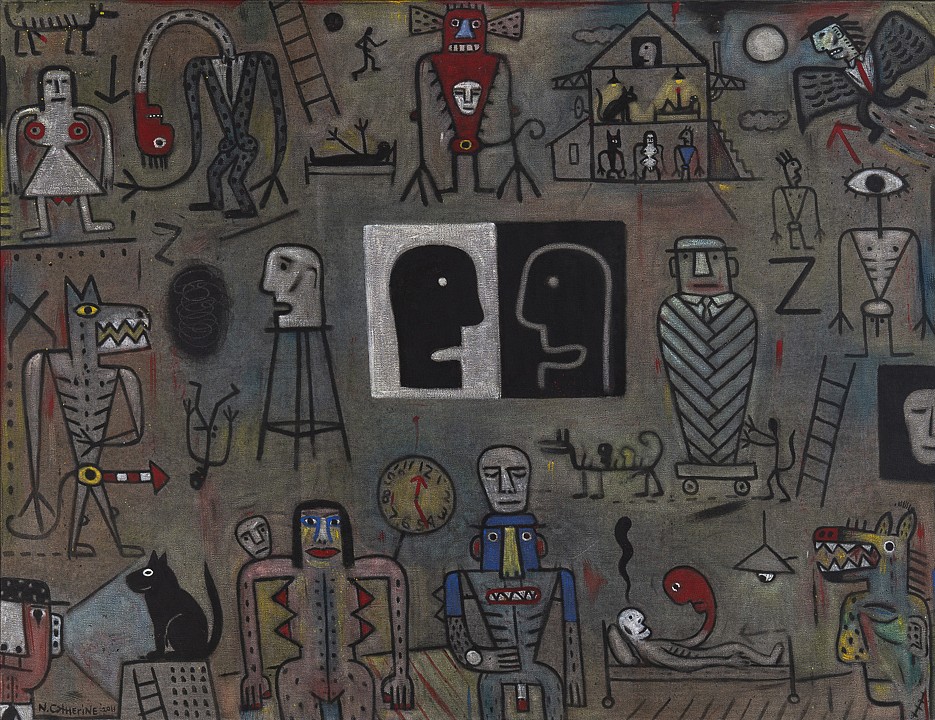


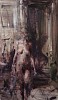
NORMAN CATHERINE, Day and Night
Oil on canvas, 100 x 130 cm
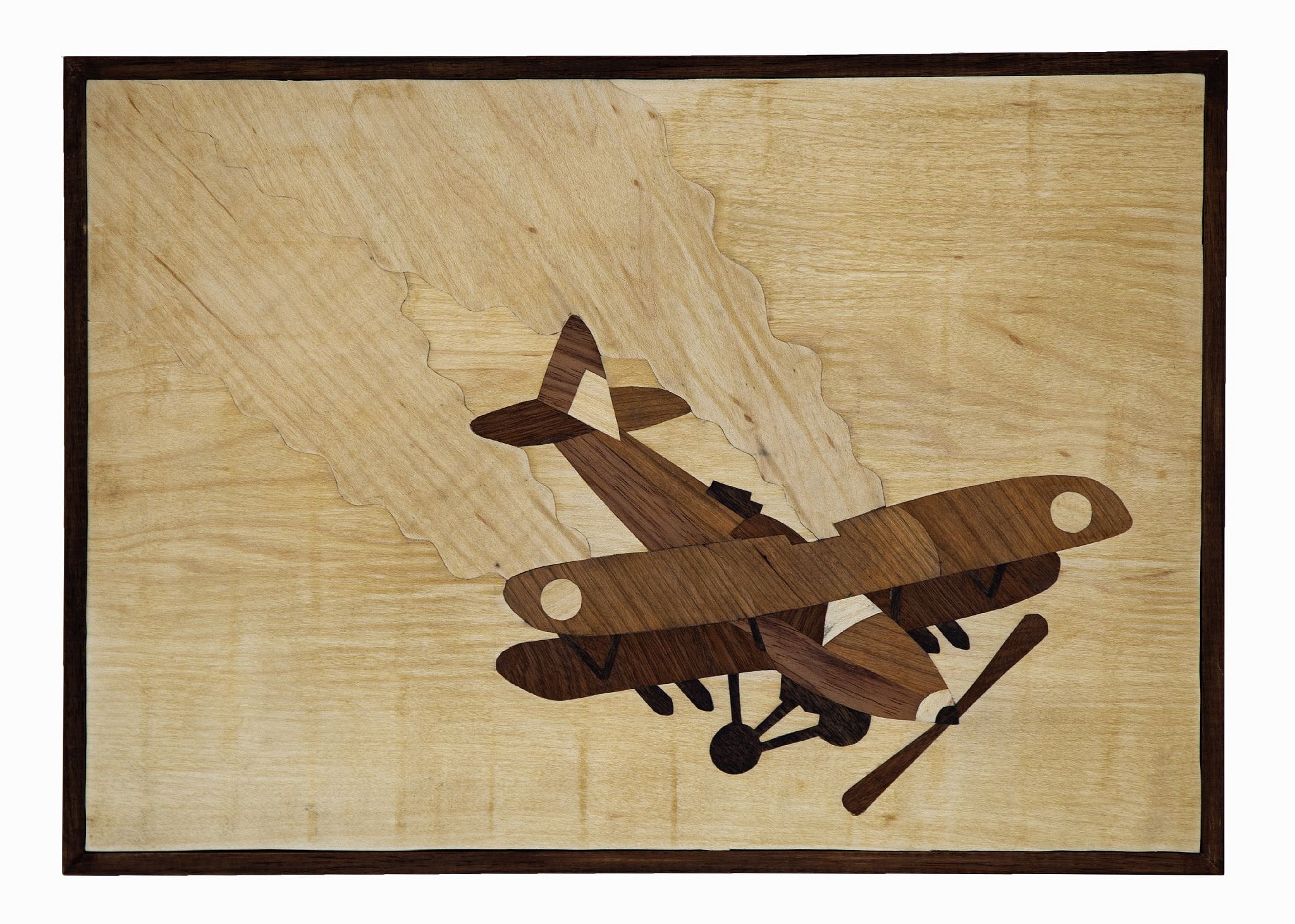

LUCA EVANS, The Crash
African mahogany, birch, cherry, kiaat, maple and walnut on pine, 30.5 x 43 cm
Luca Evans currently work from a studio in Paarden Eiland, where they utilise a hit-and-miss experimental approach to carpentry and marquetry. Their pop-ish work plays with ideas around language, failure, mishap and humour. Text and object are assembled interchangeably. Luca’s practice employs a cut and paste approach. They work with marquetry, an archaic woodworking method in which thin pieces of wood are assembled like jigsaw puzzles. Although they work predominantly with wood, their practice is intercepted with moments of print, animation and painting.
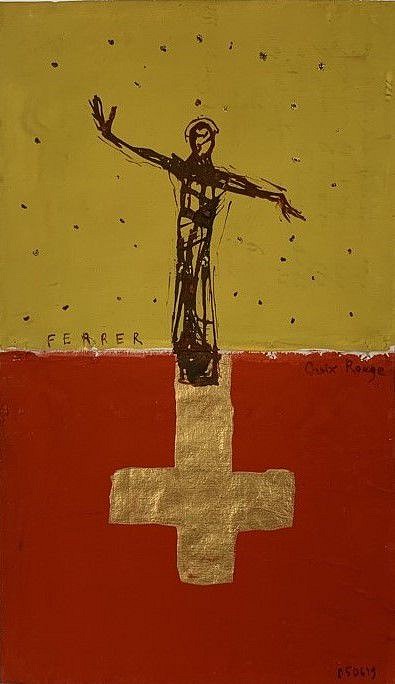
GUY FERRER, Croix Rouge
Ink and gold leaf on antique paper, 29 x 17 cm (11 3/8 x 6 5/8 in.)
Born in Algeria, Guy Ferrer is a French artist of Catalan and Italian descent. Over the past three decades, Ferrer has developed an international reputation as a painter and sculptor, with exhibitions in museums and galleries around the world.
Ferrer’s work is fundamentally concerned with the mystery of life and the search of beauty. His artistic energy derives from a spiritual necessity to make art, as part on an ongoing search for transcendence, for solace and for meaning. Rich in symbolism and characterised by highly textured surfaces, Ferrer’s paintings, works on paper and sculptures are animated by his spirit and exude an ethereal energy. They connect at the deepest level with audiences across countries and cultures.
Recent honours include a monumental bronze for the French embassy in Singapore, a large fresco painted for the French embassy in Bakou, Azerbaijan and a triptych titled Liberté-Egalité-Fraternité commissioned by the OECD and for its headquarters in Paris. A monumental bronze and a large canvas are permanently installed at the main entrance of Le Bon Marché in Paris.
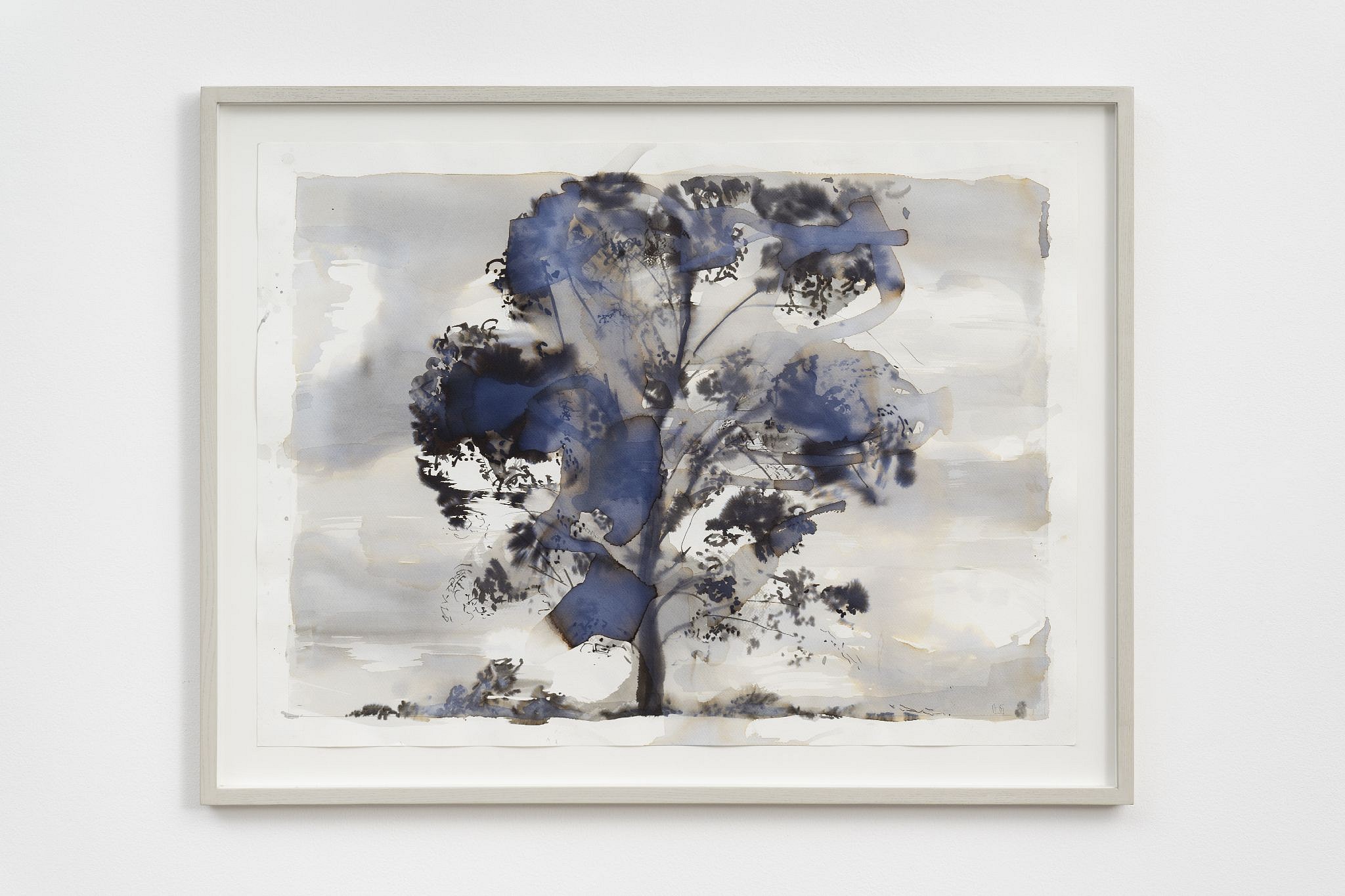
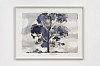
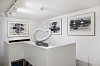
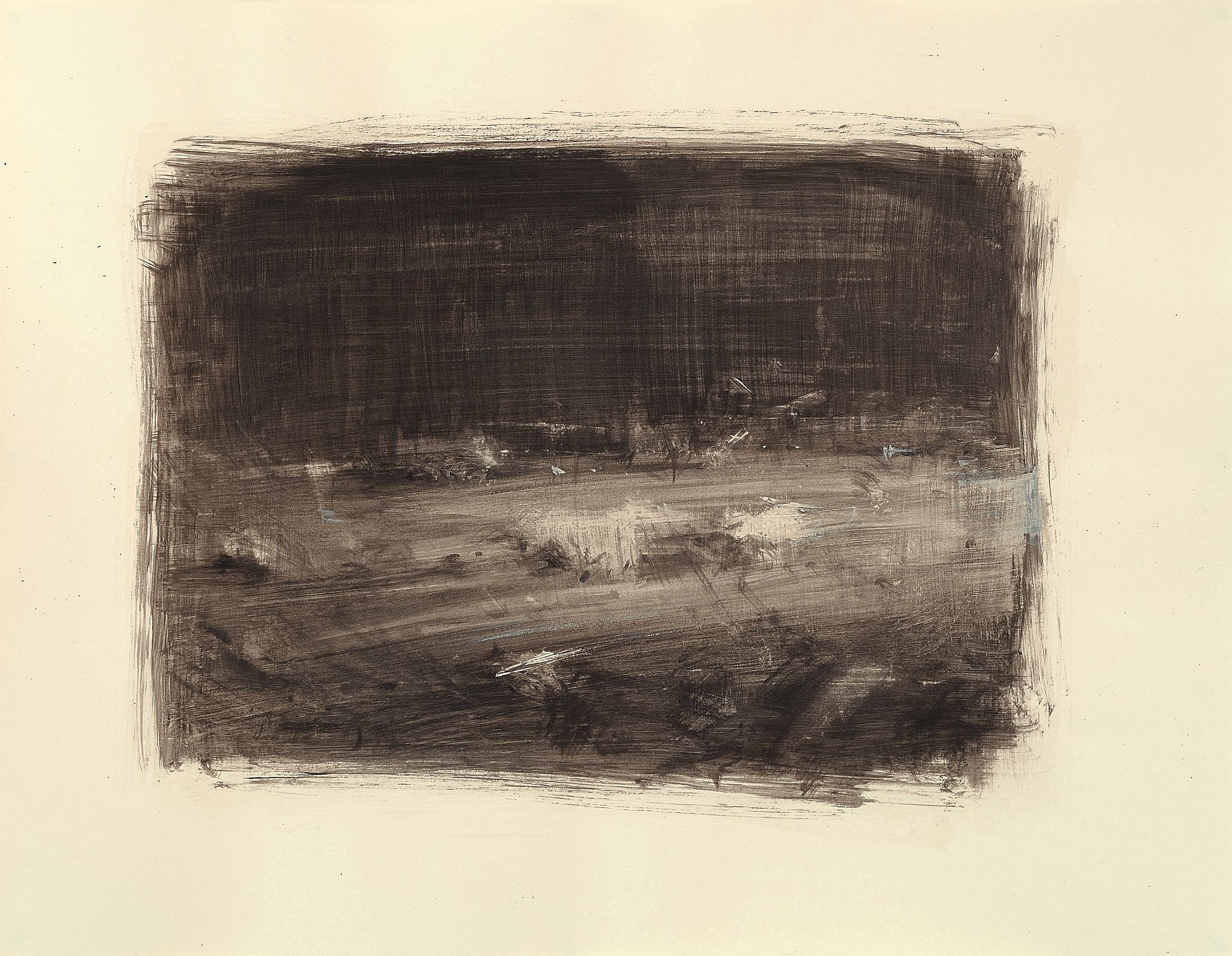
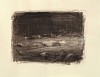
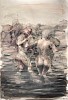
ANNE GRAAFF, Bluegum on Cedar Peak, Western Cape I
ink and wash on 300 gram watercolour paper, 66.3 x 86 cm
Anne Graaff is an artist, art historian and poet living in France, whose work is influenced by research on contemporary book art, and her own contribution to artist’s books. As an art historian, Graaff has specialized in Outsider Art, writing two books published by Penguin, South Africa, under the pseudonym, Anne Emslie. In 2017 Graaff republished The Owl House, a book about the renowned South African Outsider artist, Helen Martins.
Recent exhibitions of Graaff’s artist’s books and paintings include Elles métamorphosent le Livre II at Espace des Femmes gallery, Paris; a solo exhibition of artists books at Atelier de la Main d’Or, Paris; and work in the group shows at la Porte Peintre, France, as well as galleries in South Africa.
Graaff’s poetry has been published in numerous publications such as Carapace, Stanzas, the anthologies of African poetry, Africa, My Africa! and Absolute Africa! This is Graaff’s debut exhibition with the Everard Read galleries.
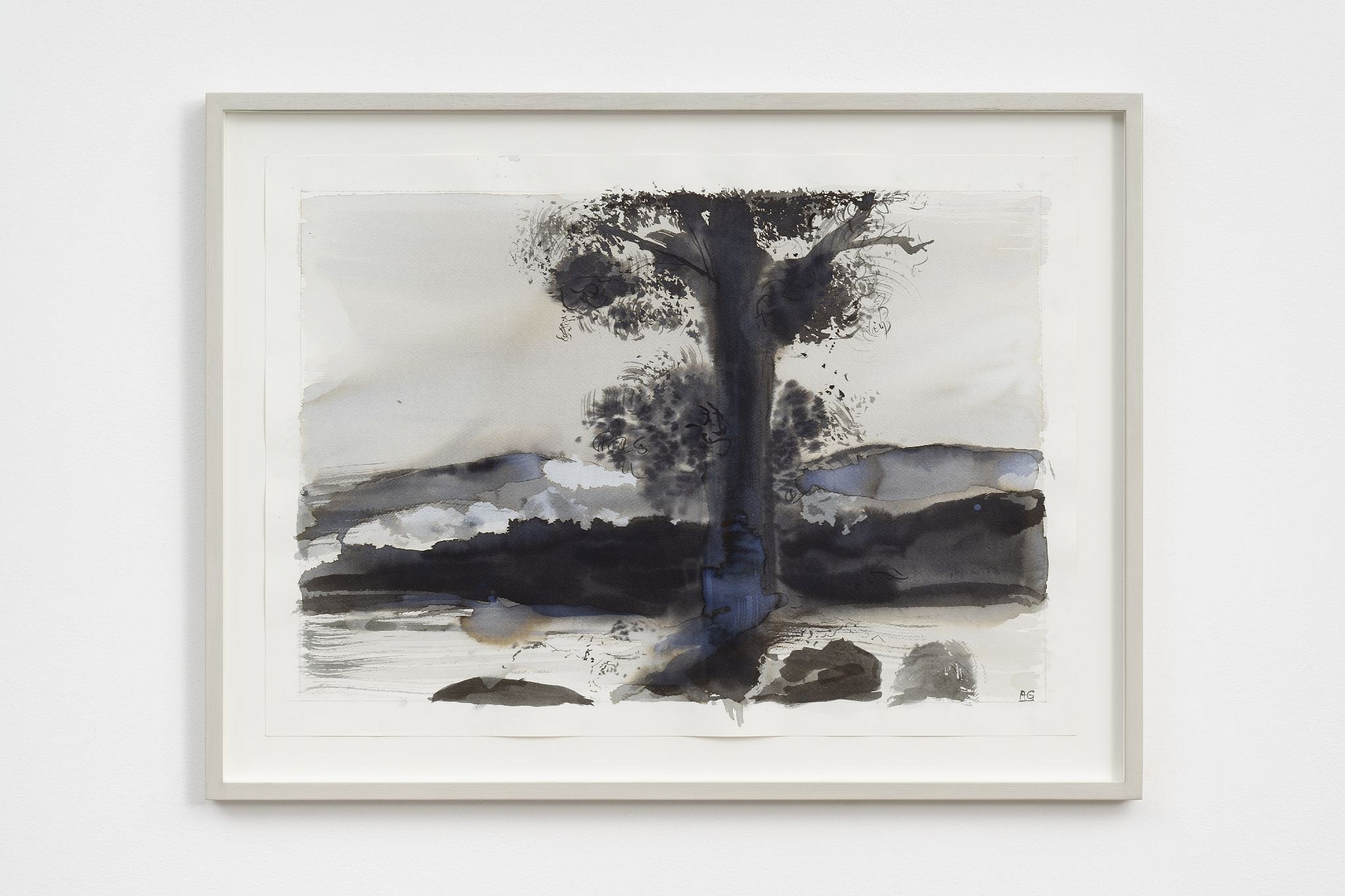
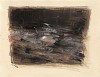
ANNE GRAAFF, Bluegum on Cedar Peak, Western Cape II
ink and wash on 300 gram watercolour paper, 60.6 x 80.3 cm
Anne Graaff is an artist, art historian and poet living in France, whose work is influenced by research on contemporary book art, and her own contribution to artist’s books. As an art historian, Graaff has specialized in Outsider Art, writing two books published by Penguin, South Africa, under the pseudonym, Anne Emslie. In 2017 Graaff republished The Owl House, a book about the renowned South African Outsider artist, Helen Martins.
Recent exhibitions of Graaff’s artist’s books and paintings include Elles métamorphosent le Livre II at Espace des Femmes gallery, Paris; a solo exhibition of artists books at Atelier de la Main d’Or, Paris; and work in the group shows at la Porte Peintre, France, as well as galleries in South Africa.
Graaff’s poetry has been published in numerous publications such as Carapace, Stanzas, the anthologies of African poetry, Africa, My Africa! and Absolute Africa! This is Graaff’s debut exhibition with the Everard Read galleries.
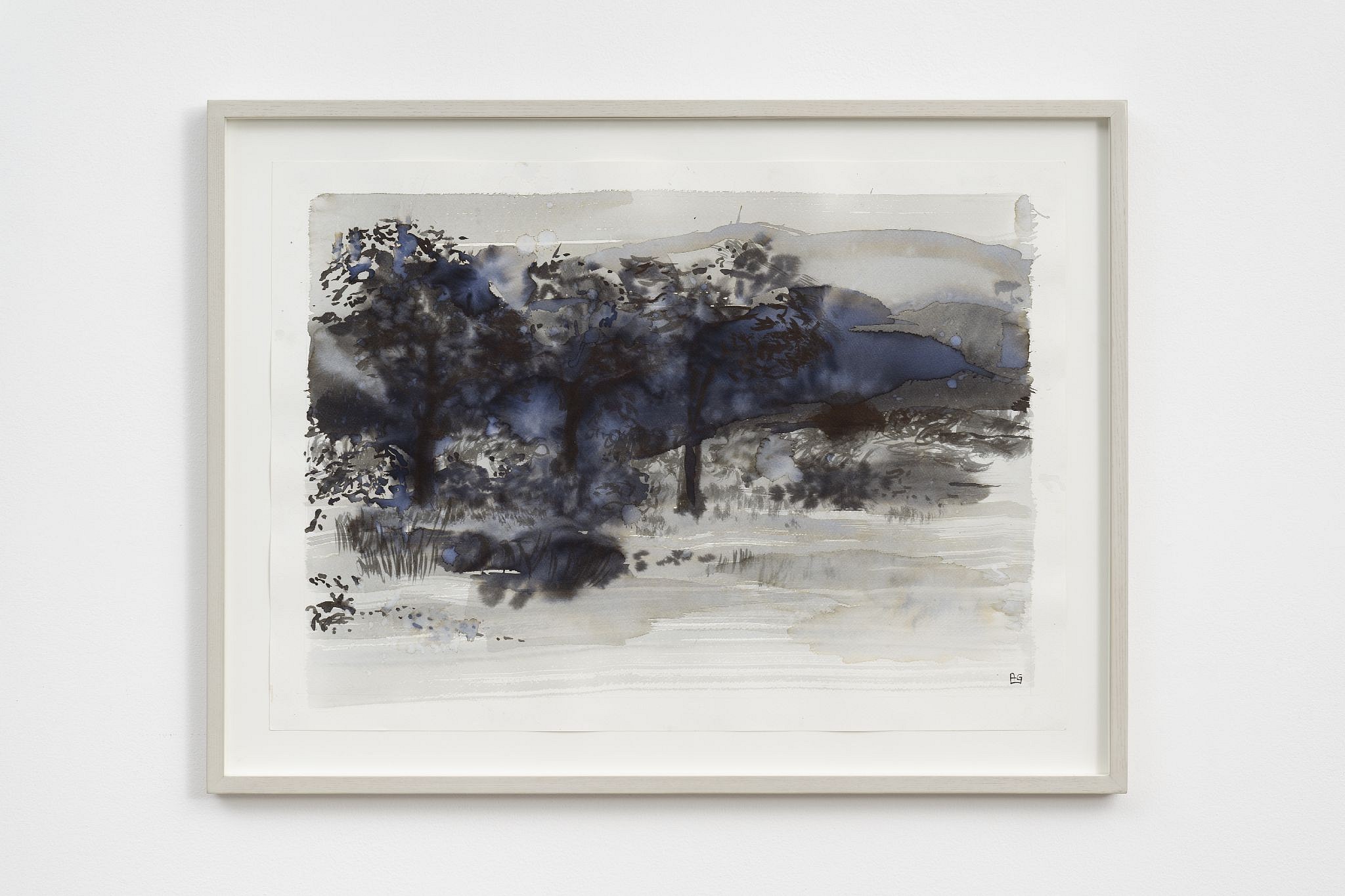
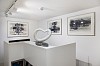
ANNE GRAAFF, Cedar Peak Landscape, Western Cape, II
ink and wash on 300 gram watercolor paper, 60.2 x 80.4 cm
Anne Graaff is an artist, art historian and poet living in France, whose work is influenced by research on contemporary book art, and her own contribution to artist’s books. As an art historian, Graaff has specialized in Outsider Art, writing two books published by Penguin, South Africa, under the pseudonym, Anne Emslie. In 2017 Graaff republished The Owl House, a book about the renowned South African Outsider artist, Helen Martins.
Recent exhibitions of Graaff’s artist’s books and paintings include Elles métamorphosent le Livre II at Espace des Femmes gallery, Paris; a solo exhibition of artists books at Atelier de la Main d’Or, Paris; and work in the group shows at la Porte Peintre, France, as well as galleries in South Africa.
Graaff’s poetry has been published in numerous publications such as Carapace, Stanzas, the anthologies of African poetry, Africa, My Africa! and Absolute Africa! This is Graaff’s debut exhibition with the Everard Read galleries.
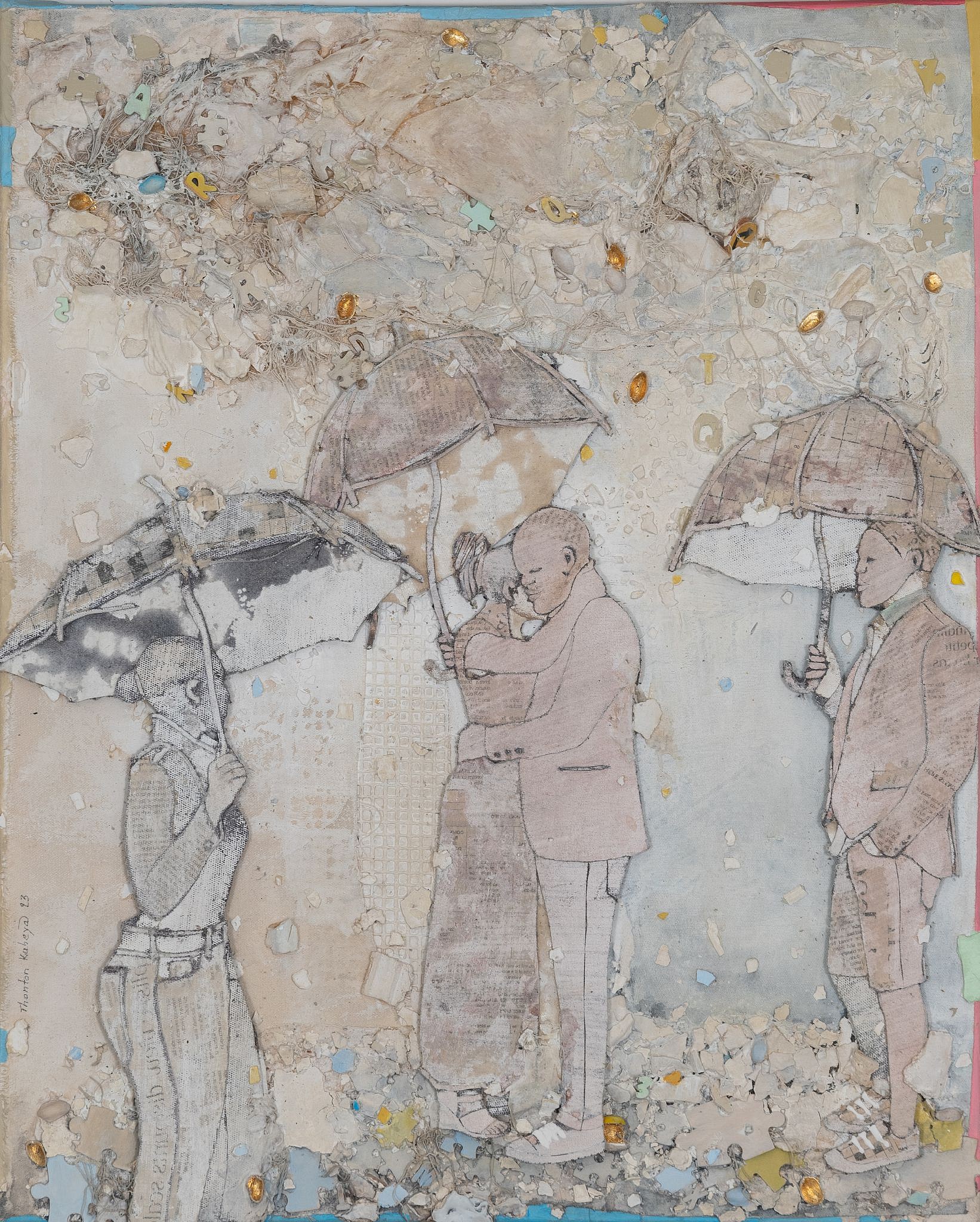

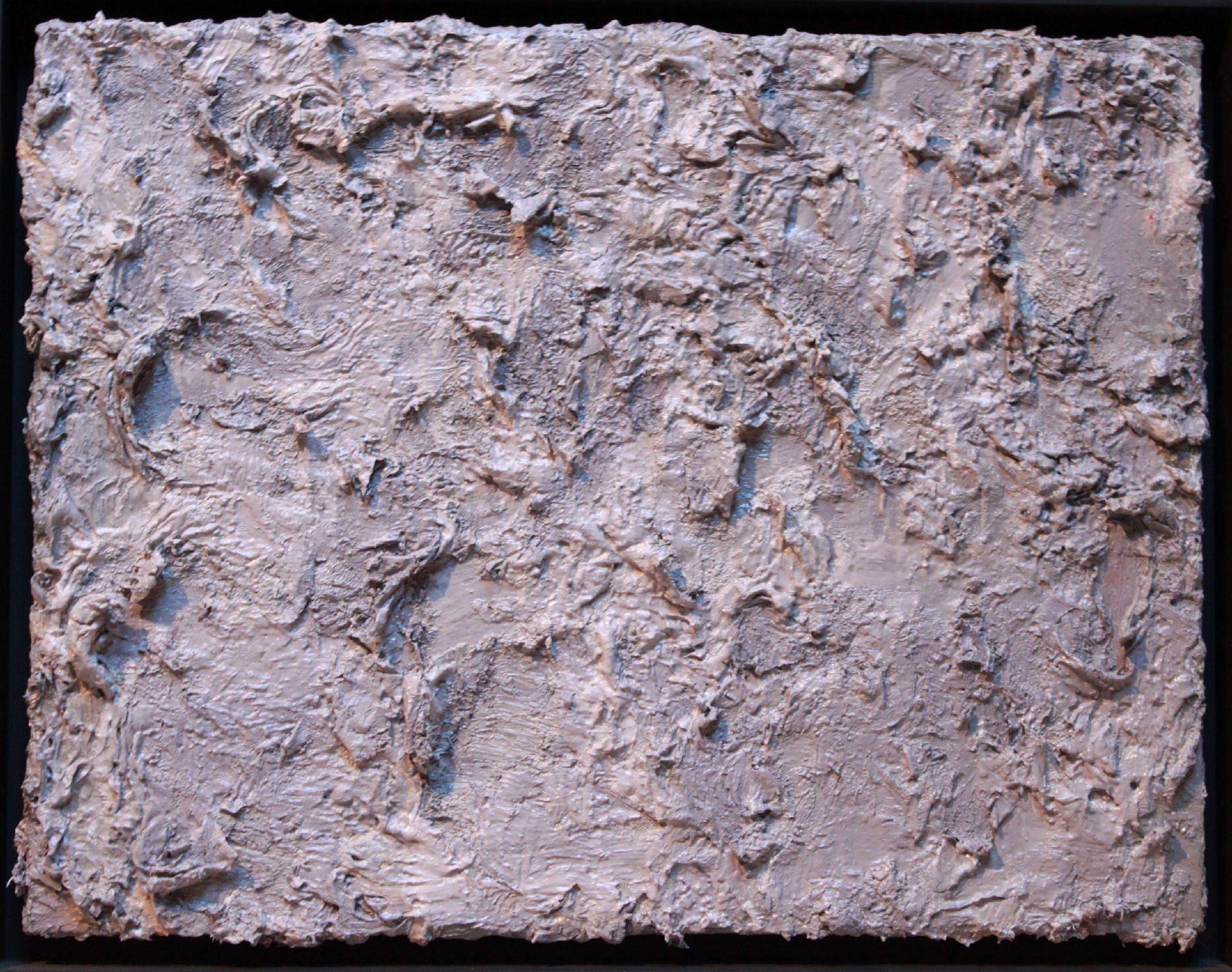
THONTON KABEYA, Rainy Day II
CHALK PAINT, WALNUT POWDER AND NEWSPAPER INK TRANSFER ON SCULPTED CANVAS, 78 x 63 cm
Through his art, Thonton Kabeya is searching for understanding and the answers to life's conundrums and, exploring the many layers that make humanity so rich. On one level, his work captures the essence of African cosmopolitanism. His figurative artworks are snapshots of moments and the ‘everydayness’ specific to a continent, and yet, they are still universally recognisable and relatable. Lovers dancing the Rumba, street scenes, young boys playing – life happens across Kabeya’s canvases. In comparison, his abstract pieces are deeply layered, built up and less obvious in their storytelling, but no less engaging and thought-provoking.
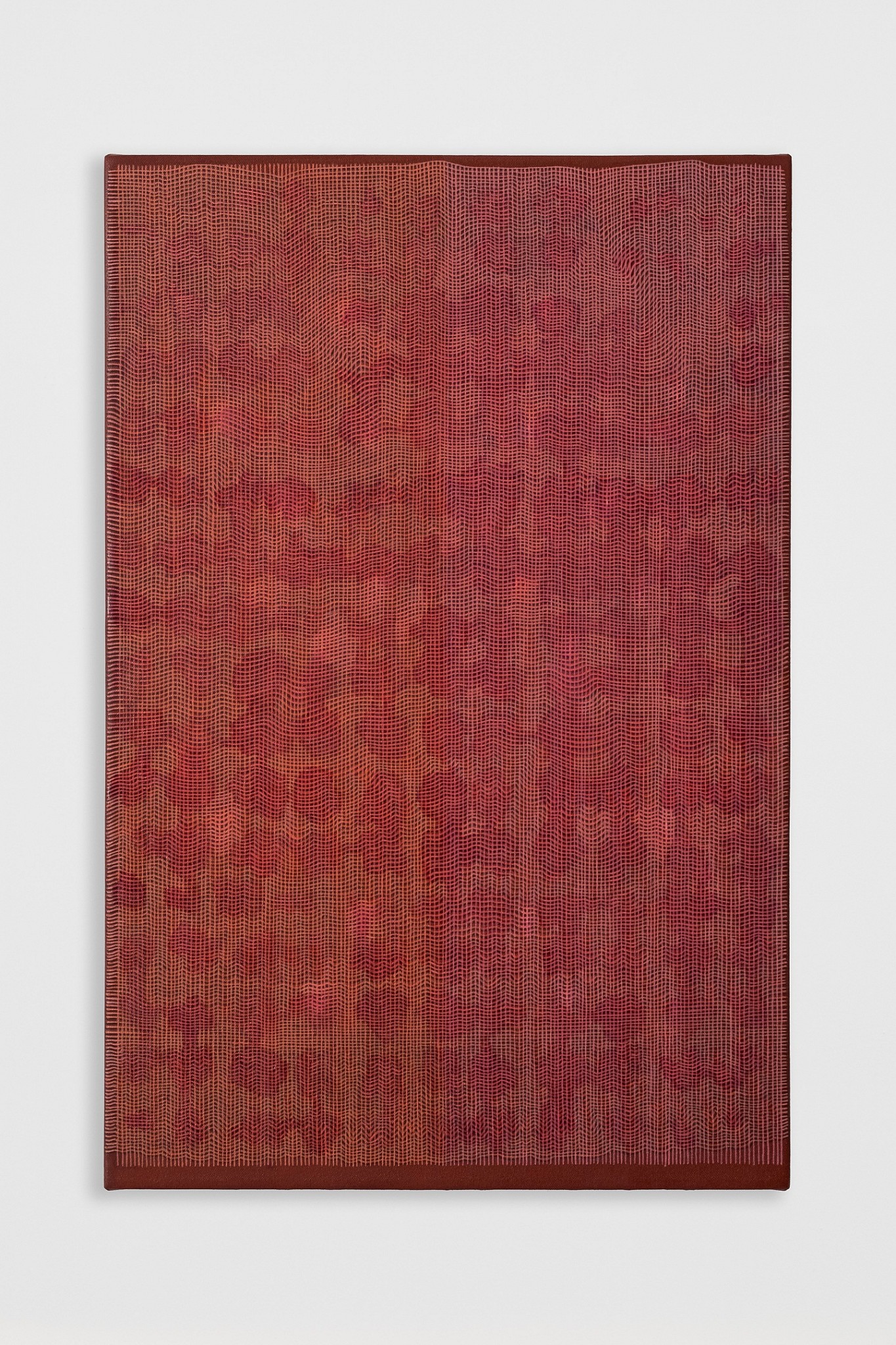
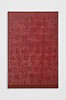
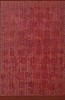
MAJA MARX, Litmus
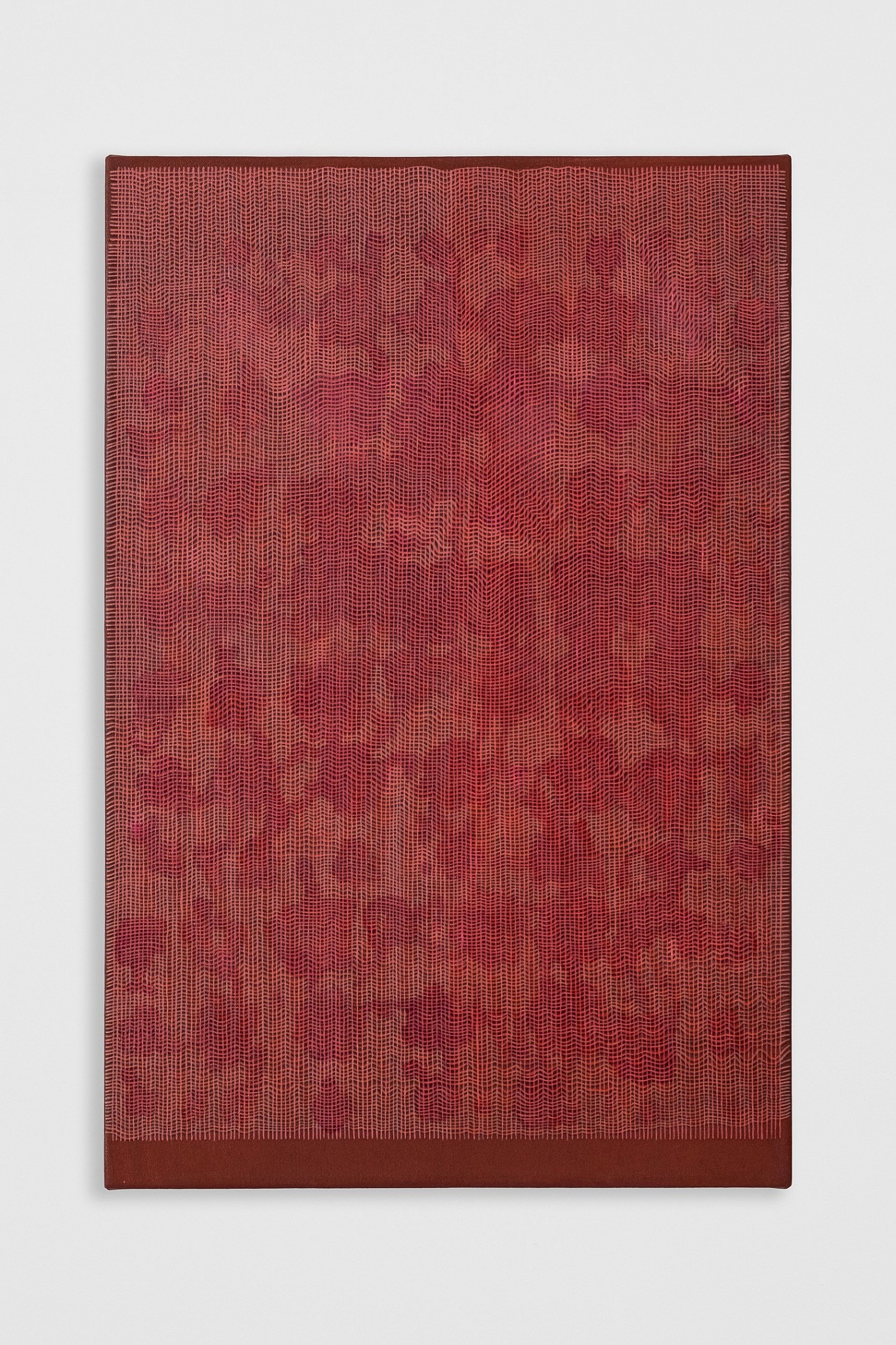
oil on Belgian Linen, 75 x 50 cm
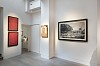
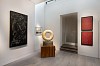
Maja Marx's paintings are essentially hyperactivations of surface. Marx starts by mapping ‘found’ compositions onto her canvas, and then allows this process of transcription to self-proliferate. Once the optical field of each canvas has become alive, the artist uses the act of painting to literally ‘stare herself’ out onto the canvas. Each layer of paint, each engagement responds to the layers beneath to become rich self-referential fields in which the physical act of looking is foregrounded; surfaces that are read, looked at and stared into all at once.
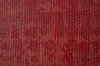
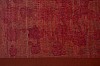
MAJA MARX, Slow Fade to Blue
oil on Belgian Linen, 75 x 50 cm
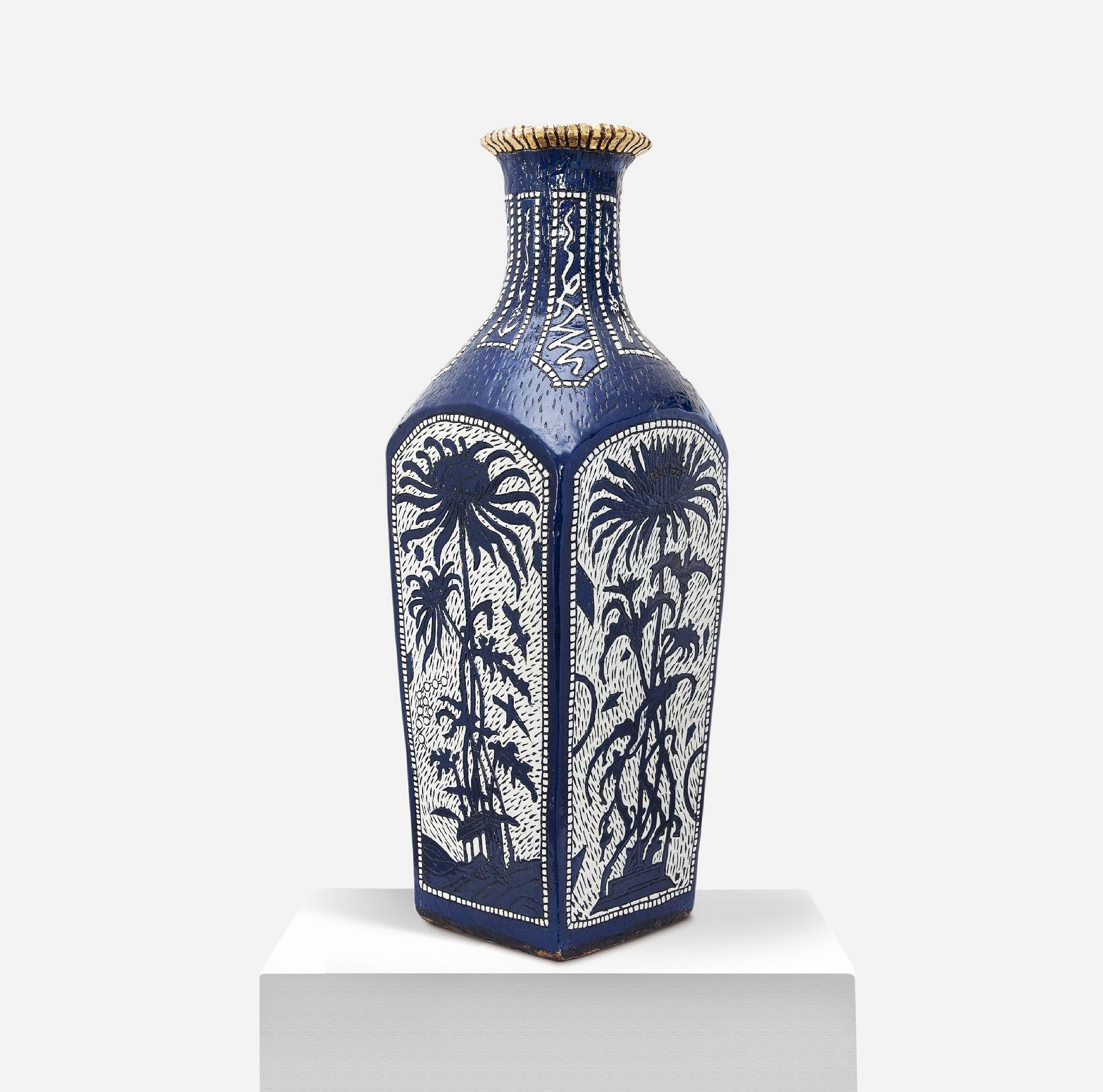
Maja Marx's paintings are essentially hyperactivations of surface. Marx starts by mapping ‘found’ compositions onto her canvas, and then allows this process of transcription to self-proliferate. Once the optical field of each canvas has become alive, the artist uses the act of painting to literally ‘stare herself’ out onto the canvas. Each layer of paint, each engagement responds to the layers beneath to become rich self-referential fields in which the physical act of looking is foregrounded; surfaces that are read, looked at and stared into all at once.
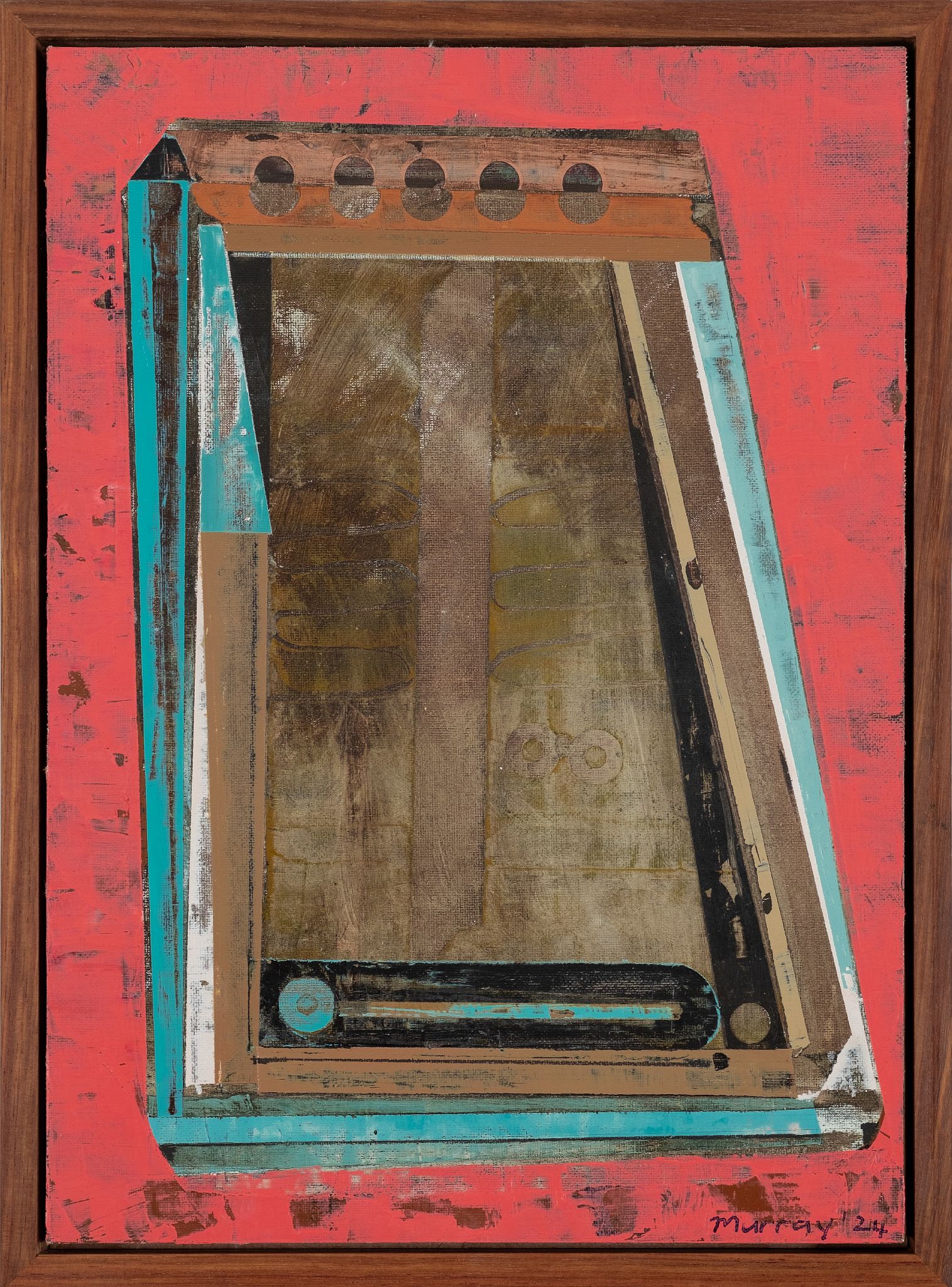
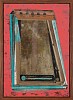
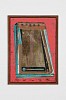
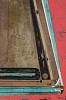
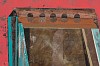
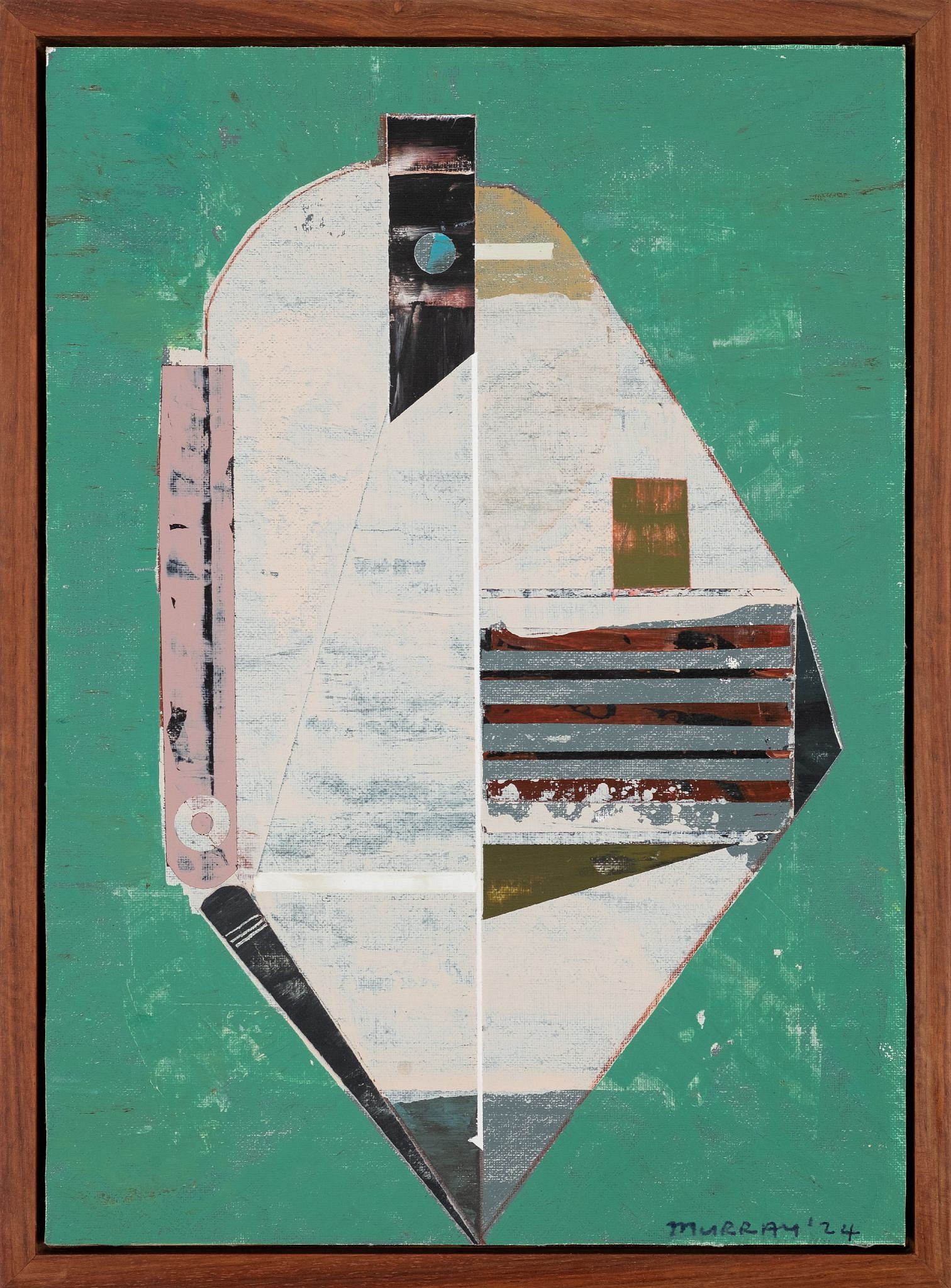
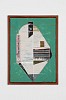
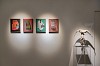
JOHN MURRAY, Unpack III
acrylic on canvas board, 30 x 21.5 cm
John Murray is a South African painter living and working in Cape Town. Finding significance in the contrasting states between the tangible and the imperceptible, playfulness and seriousness, Murray moves between representational and nonrepresentational forms.
Murray’s imagery is unconsciously derived from the changing objects and scenes, signage, and streets of his home in South Africa. While previous works have tended towards the agricultural, the Unpack series evokes the industrial palimpsest. His surfaces tend toward the look of rusted machinery or painted metallic surfaces that peel helplessly beneath the intense rays of an African sun.
- Natasha Norman
JOHN MURRAY, Unpack V
acrylic on canvas board, 30 x 21.5 cm
John Murray is a South African painter living and working in Cape Town. Finding significance in the contrasting states between the tangible and the imperceptible, playfulness and seriousness, Murray moves between representational and nonrepresentational forms.
Murray’s imagery is unconsciously derived from the changing objects and scenes, signage, and streets of his home in South Africa. While previous works have tended towards the agricultural, the Unpack series evokes the industrial palimpsest. His surfaces tend toward the look of rusted machinery or painted metallic surfaces that peel helplessly beneath the intense rays of an African sun.
- Natasha Norman


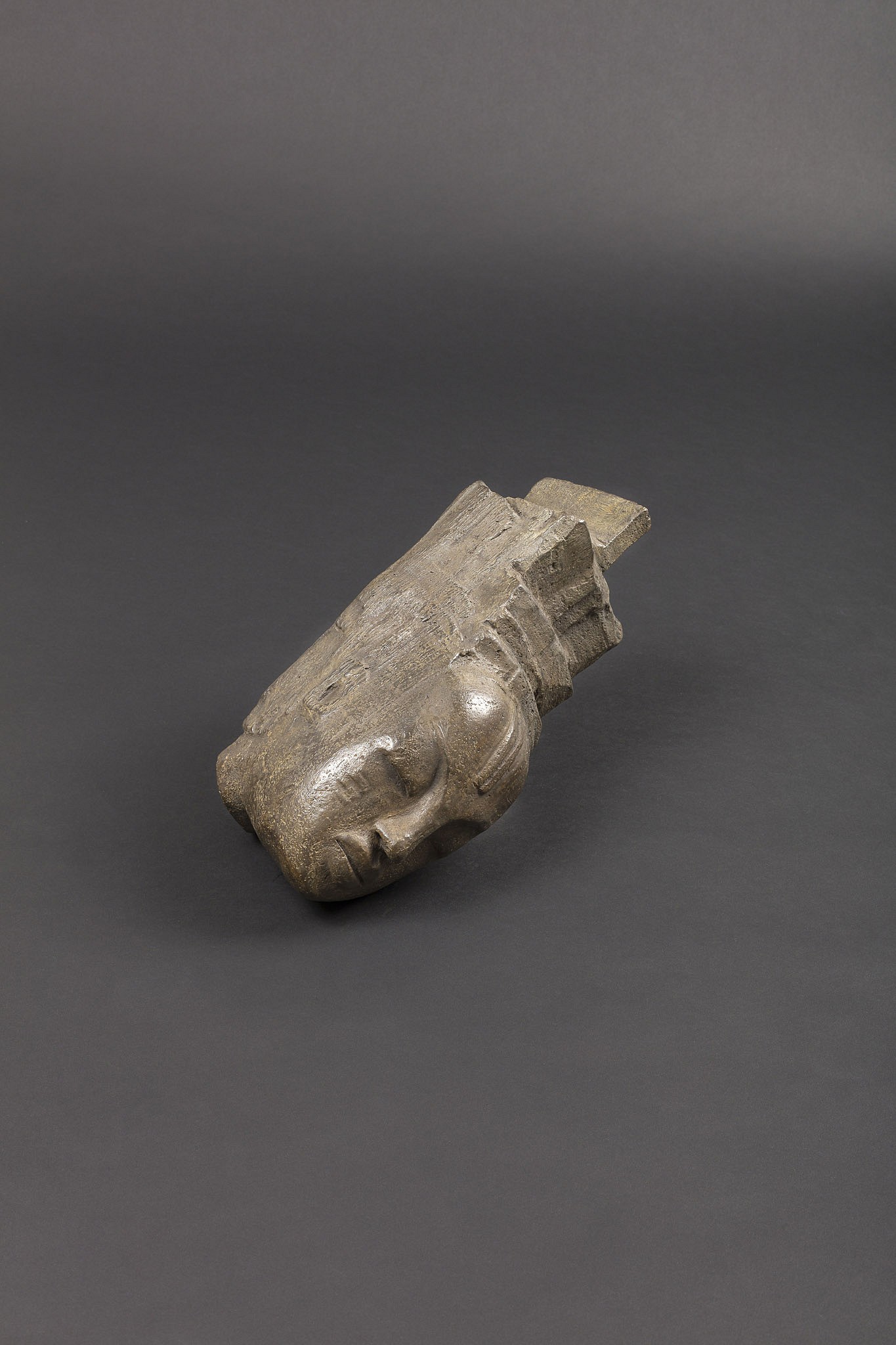
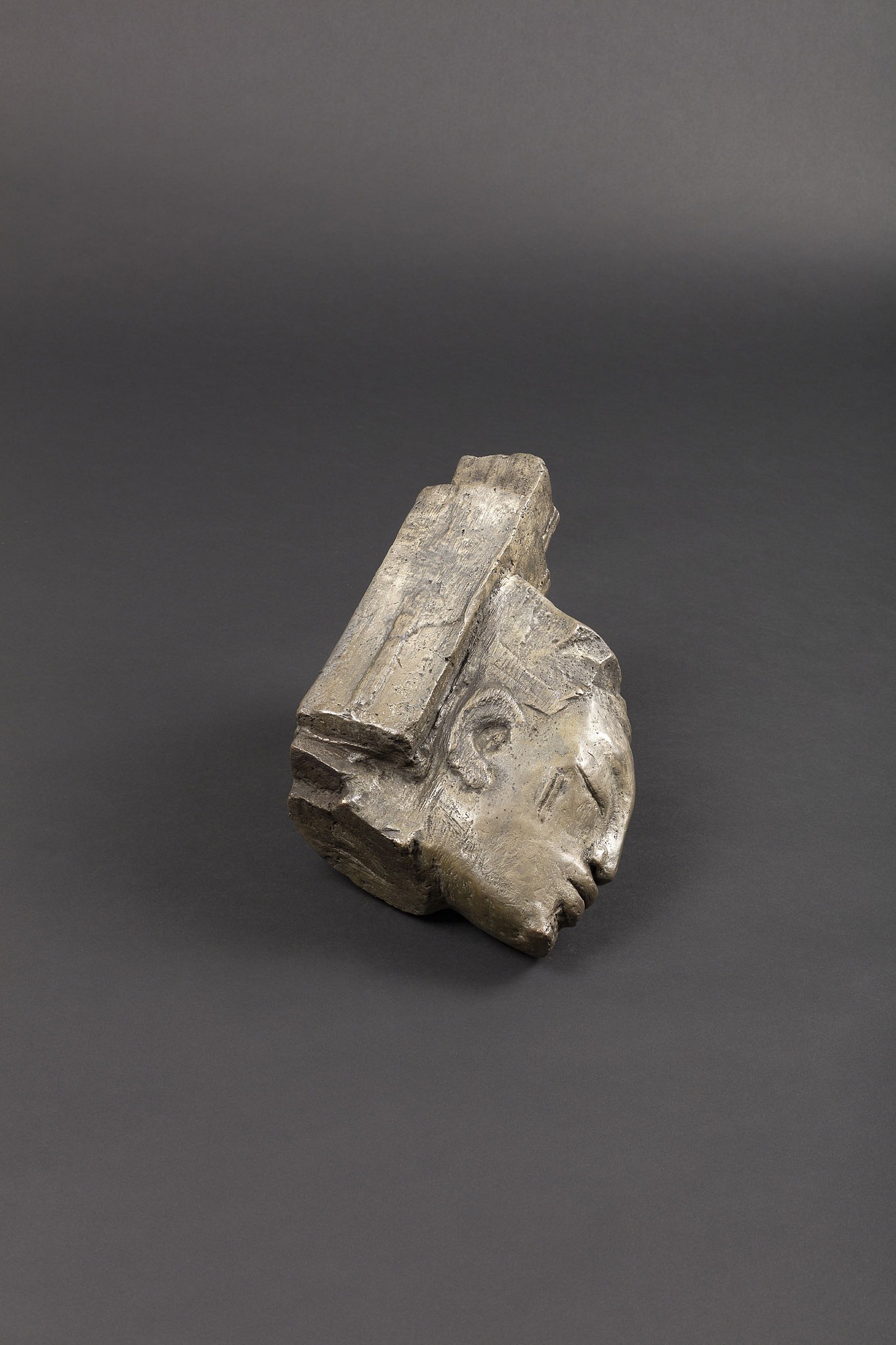
WILLIAM PEERS, Morsha
Portuguese Marble, 39 x 41 x 12 cm


SHANY VAN DEN BERG, A rose is a rose is a rose
Oil on linen, 100 x 100 cm
When I set about painting a floral still life, I don’t rely on a physical arrangement of flowers. The elements are conjured in my imagination and then I begin researching my fantasy flowers that quench my longing for nature, for joy and for a sense of freedom.
I think about war and insecurity that plagues our beautiful planet. I painted the red rose for the love I want to send around the world.
- Shany van den Berg


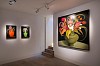
SHANY VAN DEN BERG, He made beautiful vases .... an ode I
Oil on linen, 60 x 40 cm
Shany van den Berg's floral still lifes are lush and vegetal and exemplify her profound connection to nature, womanhood and her place in the world. For the artist, motifs from the natural world centre on the cycles of changing seasons which are mirrored in family lines and individual lives. The curves and palette of her florals might take inspiration from the likes of Georgie O’Keefe, but they are largely the vibrant inventions of her imagination.


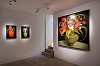
SHANY VAN DEN BERG, He made beautiful vases .... an ode II
Oil on linen, 60 x 40 cm
Shany van den Berg's floral still lifes are lush and vegetal and exemplify her profound connection to nature, womanhood and her place in the world. For the artist, motifs from the natural world centre on the cycles of changing seasons which are mirrored in family lines and individual lives. The curves and palette of her florals might take inspiration from the likes of Georgie O’Keefe, but they are largely the vibrant inventions of her imagination.








Specialists in contemporary art from South Africa. Established in 1913. South African artists are part of the global conversation. We seek to make their voices heard.