
DIRECTOR'S SELECTION | September 2026
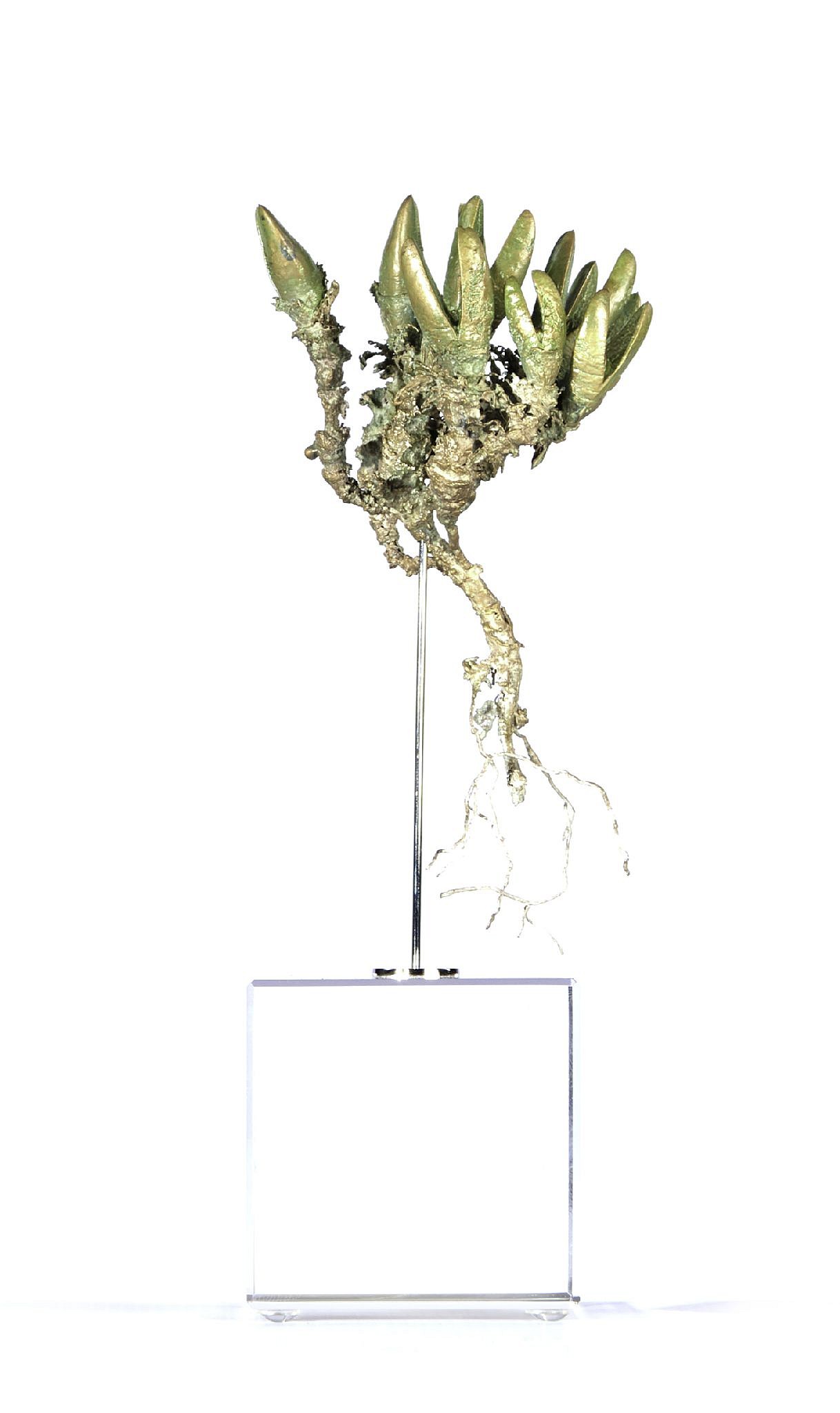
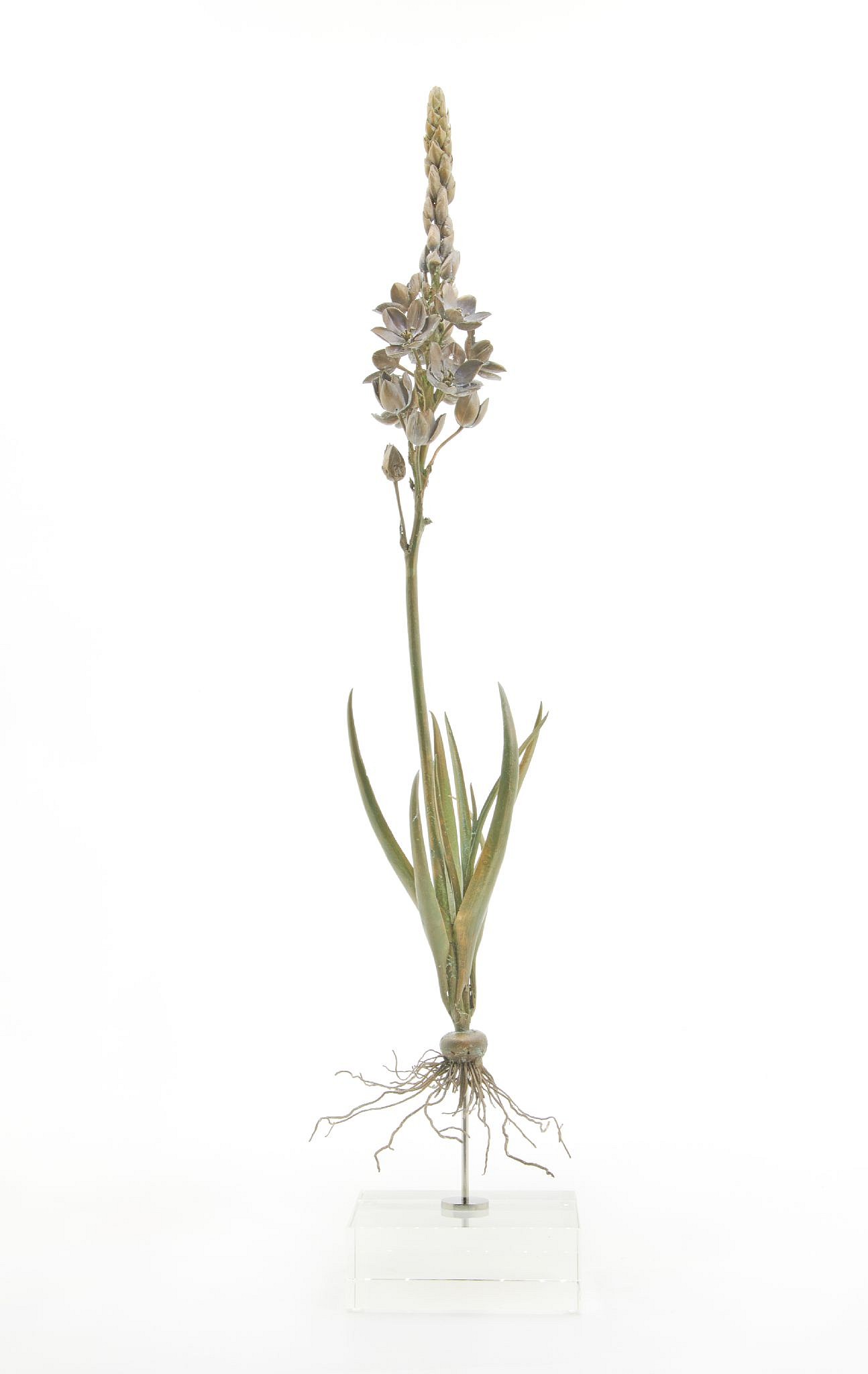
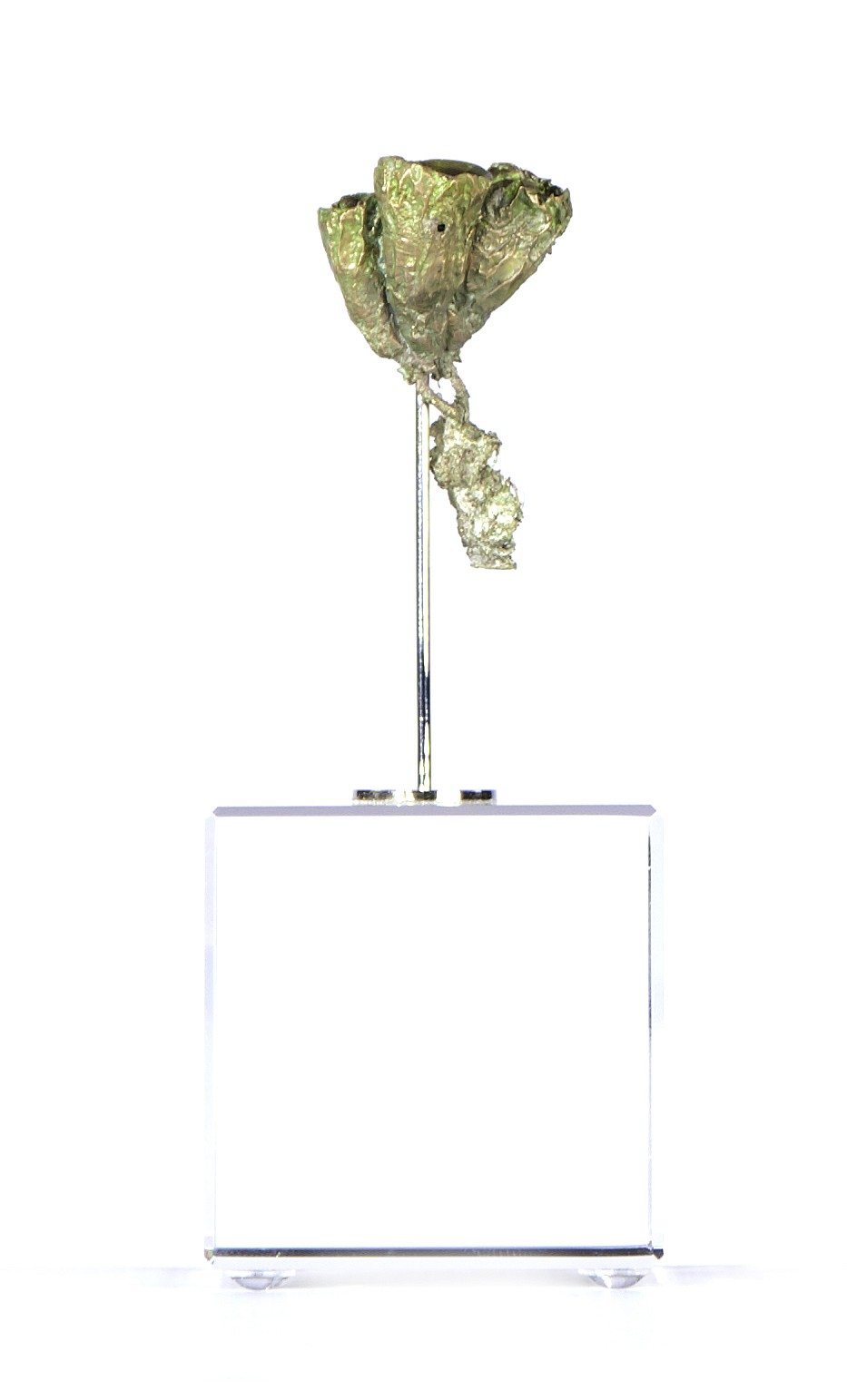
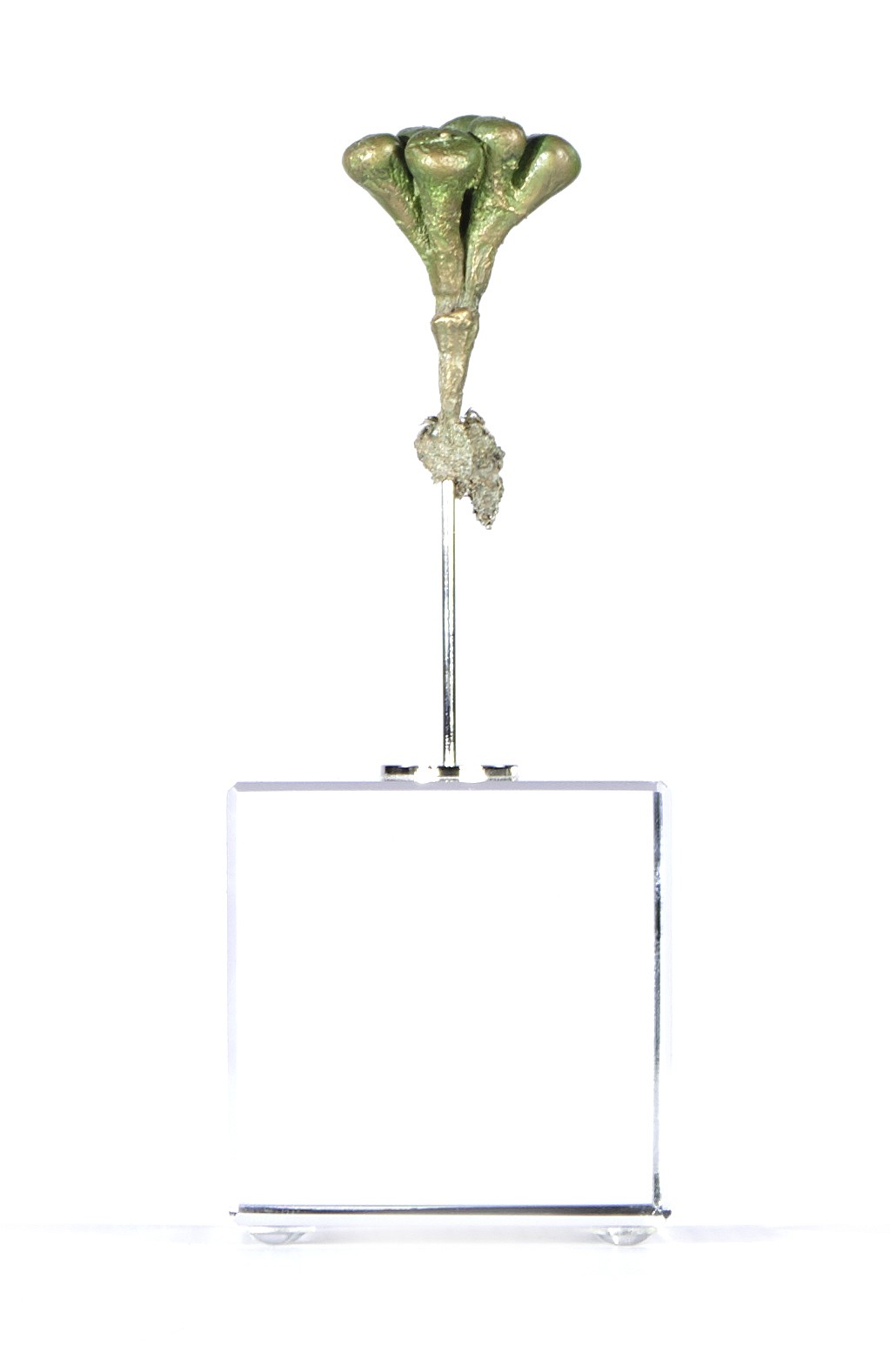
NIC BLADEN, Antimima ventricosa
Bronze on crystal base, 20 x 6 x 7 cm
South African artist Nic Bladen is one of the world's finest botanical sculptors working today. Bladen strives to record the subtle and diverse biodiversity of his native Western Cape by creating unique bronze sculptures using the actual plant matter. Drawing on the ancient traditions of the lost wax method, Bladen has pioneered a new technique which has allowed him to render the finest organic details of his subjects.
The Antimima ventricosa, colloquially known as Lutzvillevygie, is a stable species originating in the Western Cape, growing on slopes with quartzite stones. A small succulent shrub, this plant forms a compact cushion and bears large, daisy-like mauve flowers.
NIC BLADEN, Conophytum doscurum-sponsalbrum
Bronze on crystal base, 12.5 x 5 x 5 cm
South African artist Nic Bladen is one of the world's finest botanical sculptors working today. Bladen strives to record the subtle and diverse biodiversity of his native Western Cape by creating unique bronze sculptures using the actual plant matter. Drawing on the ancient traditions of the lost wax method, Bladen has pioneered a new technique which has allowed him to render the finest organic details of his subjects.
Conophytum is a genus of South African and Namibian succulent plants that belong to the family Aizoaceae. The name is derived from the Latin conus (cone) and Greek phytum (plant). The plants are also known as knopies (buttons in Afrikaans), waterblasies (water blisters in Afrikaans), sphaeroids, conos, cone plants, dumplings, or button plants.
NIC BLADEN, Conophytum putchellum
Bronze on crystal base, 13 x 5 x 5 cm
South African artist Nic Bladen is one of the world's finest botanical sculptors working today. Bladen strives to record the subtle and diverse biodiversity of his native Western Cape by creating unique bronze sculptures using the actual plant matter. Drawing on the ancient traditions of the lost wax method, Bladen has pioneered a new technique which has allowed him to render the finest organic details of his subjects.
Conophytum is a genus of South African and Namibian succulent plants that belong to the family Aizoaceae. The name is derived from the Latin conus (cone) and Greek phytum (plant). The plants are also known as knopies (buttons in Afrikaans), waterblasies (water blisters in Afrikaans), sphaeroids, conos, cone plants, dumplings, or button plants.
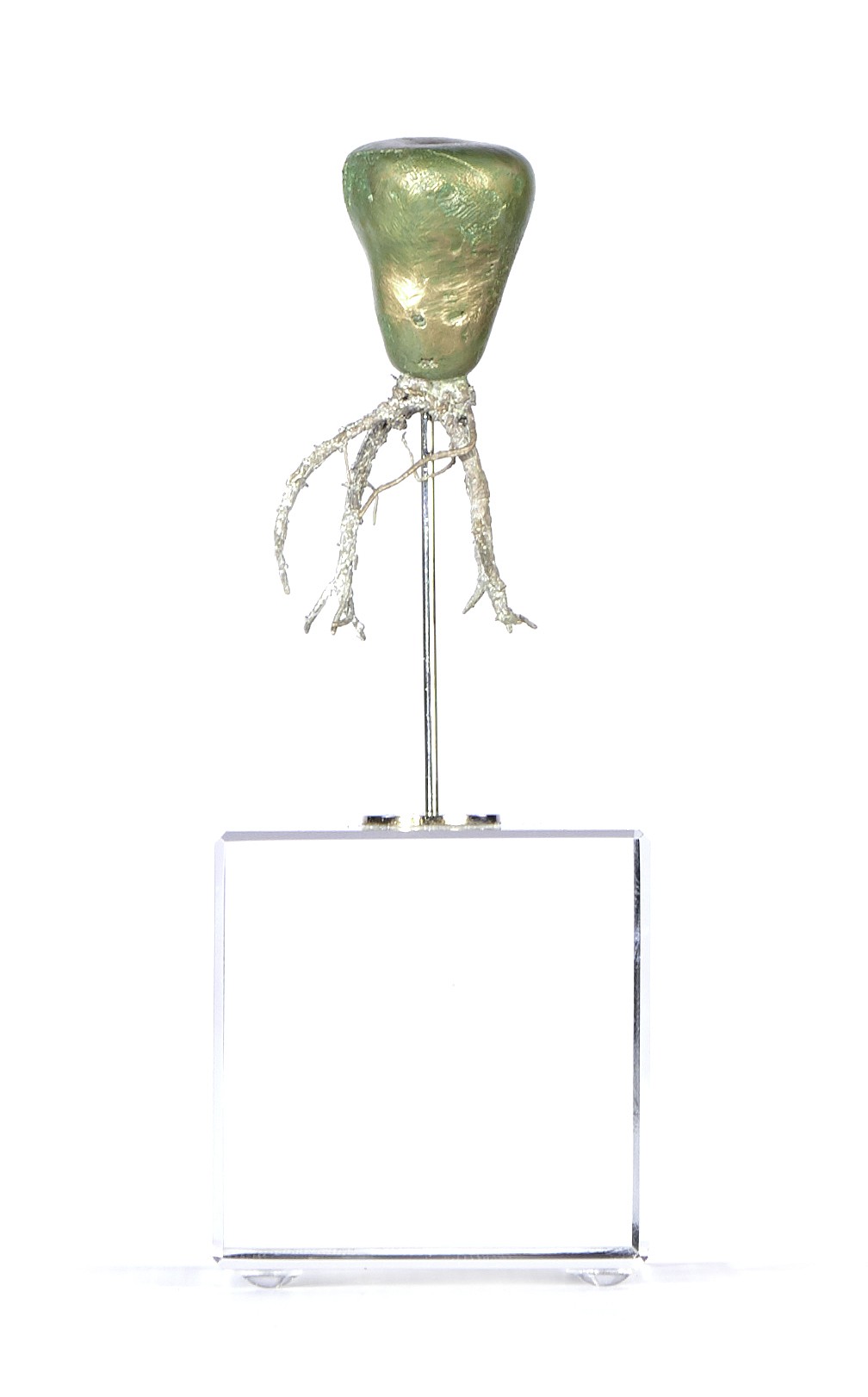
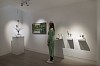
NIC BLADEN, Conophytum sp.
Bronze on crystal base, 13 x 5 x 5 cm
South African artist Nic Bladen is one of the world's finest botanical sculptors working today. Bladen strives to record the subtle and diverse biodiversity of his native Western Cape by creating unique bronze sculptures using the actual plant matter. Drawing on the ancient traditions of the lost wax method, Bladen has pioneered a new technique which has allowed him to render the finest organic details of his subjects.
Conophytum is a genus of South African and Namibian succulent plants that belong to the family Aizoaceae. The name is derived from the Latin conus (cone) and Greek phytum (plant). The plants are also known as knopies (buttons in Afrikaans), waterblasies (water blisters in Afrikaans), sphaeroids, conos, cone plants, dumplings, or button plants.
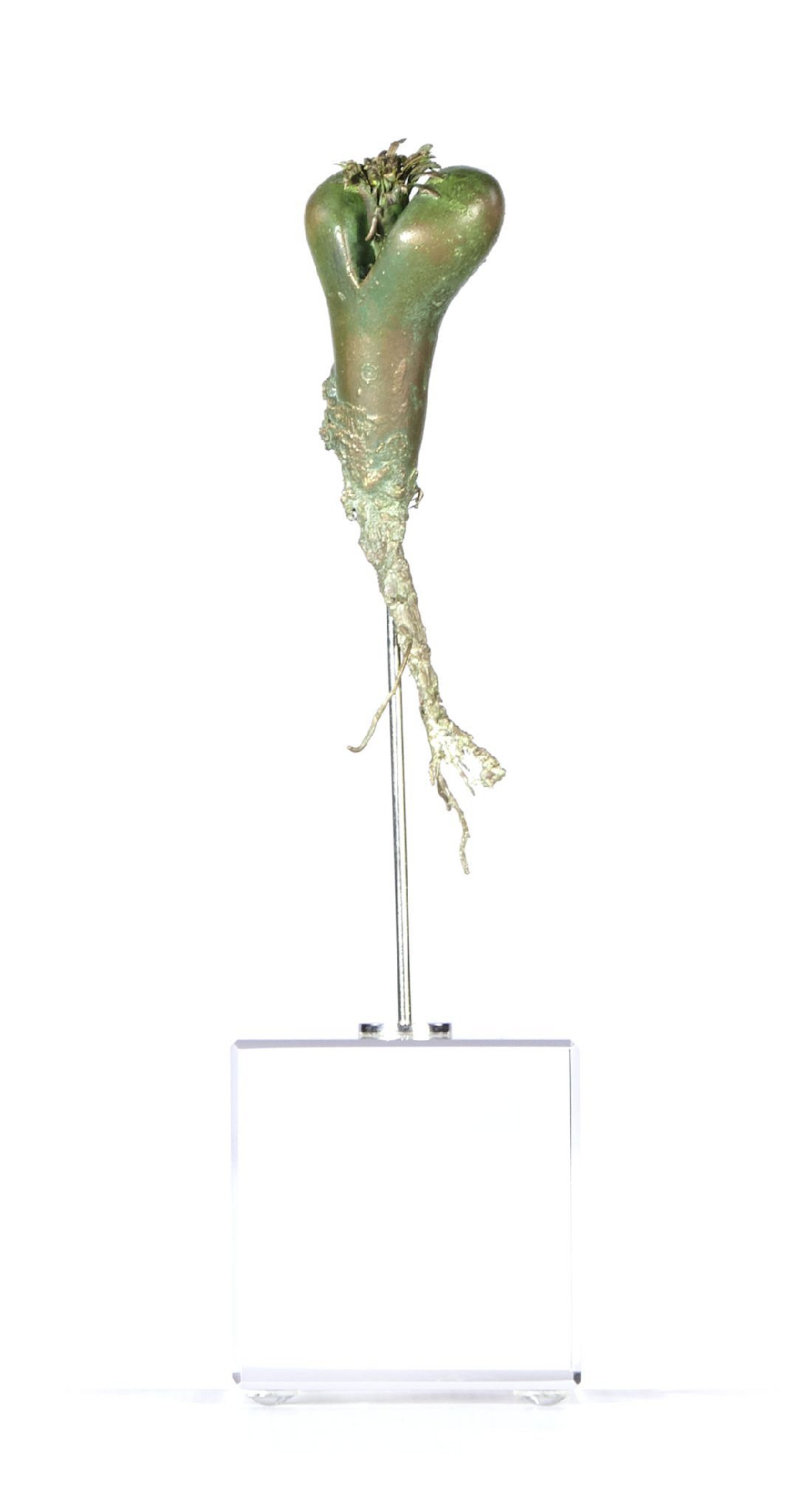
NIC BLADEN, Lithops sp. (ii)
Bronze on crystal base, 18.2 x 5 x 5 cm
South African artist Nic Bladen is one of the world's finest botanical sculptors working today. Bladen strives to record the subtle and diverse biodiversity of his native Western Cape by creating unique bronze sculptures using the actual plant matter. Drawing on the ancient traditions of the lost wax method, Bladen has pioneered a new technique which has allowed him to render the finest organic details of his subjects.
Lithops is a genus of succulent plants in the ice plant family, Aizoaceae. Members of the genus are native to southern Africa. They avoid being eaten by herbivores with their camouflage as small stones, and are often known as pebble plants or living stones.
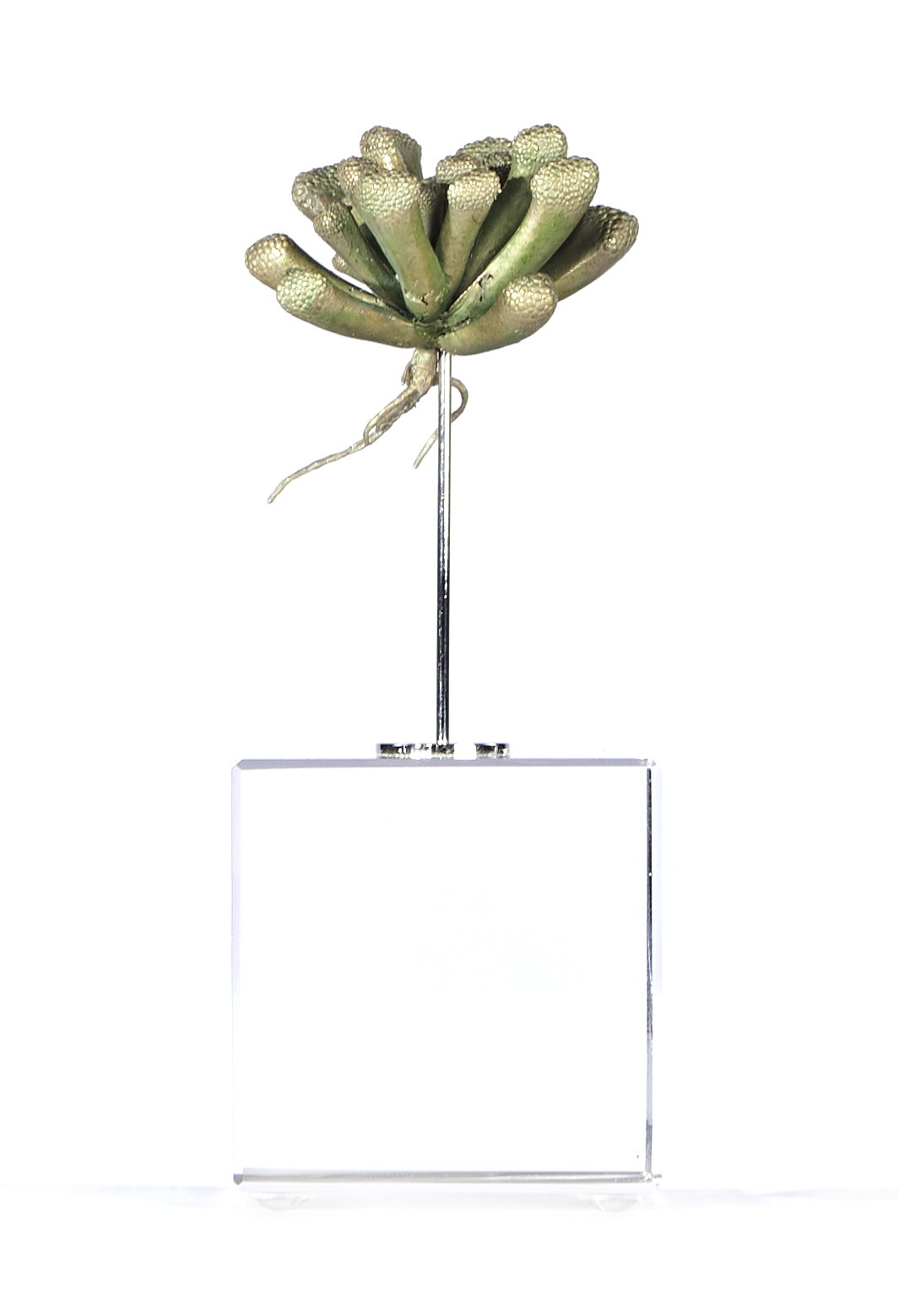
NIC BLADEN, Titanopsis primosii
Bronze on crystal base, 12.6 x 5 x 5 cm
South African artist Nic Bladen is one of the world's finest botanical sculptors working today. Bladen strives to record the subtle and diverse biodiversity of his native Western Cape by creating unique bronze sculptures using the actual plant matter. Drawing on the ancient traditions of the lost wax method, Bladen has pioneered a new technique which has allowed him to render the finest organic details of his subjects.
The delicate, frosted wafers of Titanopsis promosii grows thickly nestled into greysh-white pebbles and gravel which this Titanopsis resembles to an unbelievable degree, this camouflage allows them to escape detection and is a very effective strategy for escaping predation.
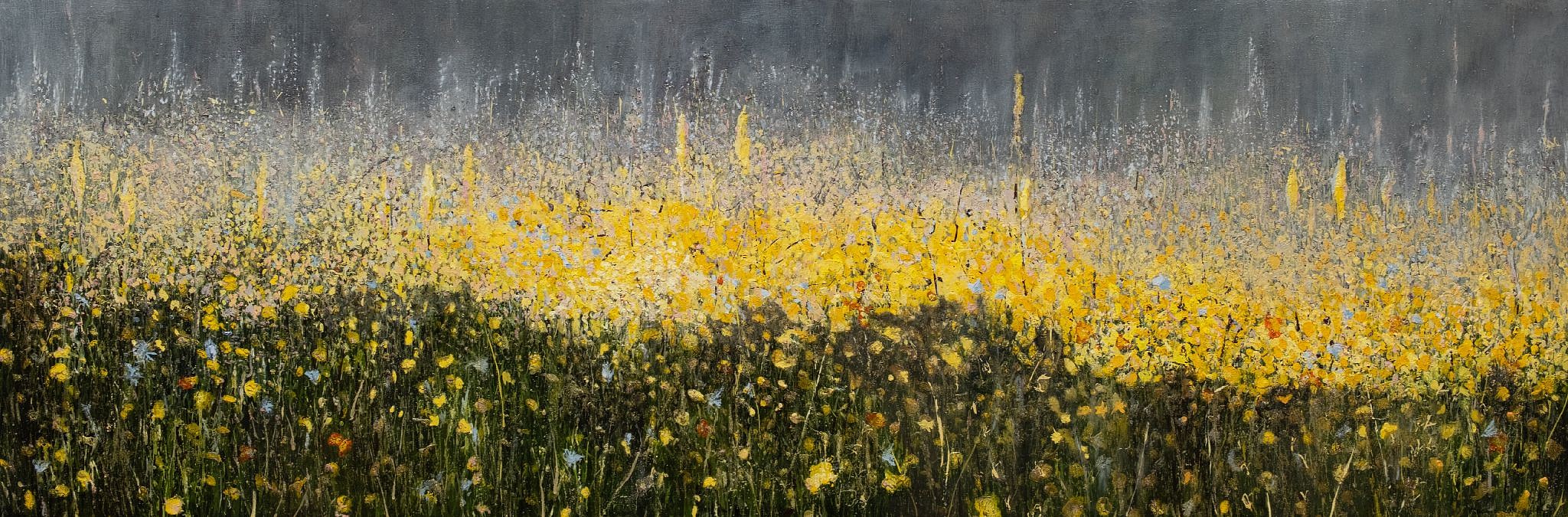
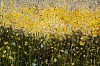
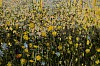
ARABELLA CACCIA, Namaqualand
Oil on board, 60 x 180 cm
Caccia draws inspiration from the natural light that generously blesses the southern tip of the African continent where she lives, and the wild places to which she travels to find solitude and silence. The feeling of calm and quiet in her work embodies the environment she attempts to creates around her, to find inspiration and feed her creative instincts.
Inspired by the seasonal transformation of the Namaqualand desert, where barren terrain bursts into a spectacle of wildflowers, this work captures the interplay of resilience and fragility in nature. The shifting hues, fleeting blooms, the play of light and dark on natural forms and the vast, open spaces mirror the ever-evolving relationship between place and perception.

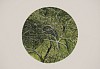
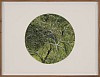
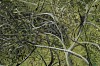
ARABELLA CACCIA, Window to the Forest I
Mixed media on paper, 54 x 76 cm
Caccia draws inspiration from the natural light that generously blesses the southern tip of the African continent where she lives, and the wild places to which she travels to find solitude and silence.
"My hope is that my art and the journey that shaped it inspires others to cultivate a playful curiosity about nature”, says Caccia. “I believe that focused, meditative creation leads to work of honesty and integrity. Through my work, I aim to invite others to experience the beauty and magic of nature with the same appreciation I've been fortunate to encounter. It is my hope that my creations serve as a bridge, connecting people to the beauty and magic of the natural world."

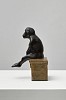

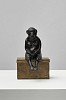
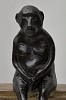
WILMA CRUISE, Iteration: Little Papio (sitting on box)
Bronze, 24 x 16 x 17 cm

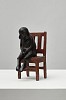


WILMA CRUISE, Iteration: Little Papio (sitting on chair)
Bronze, 25.5 x 11.5 x 17 cm
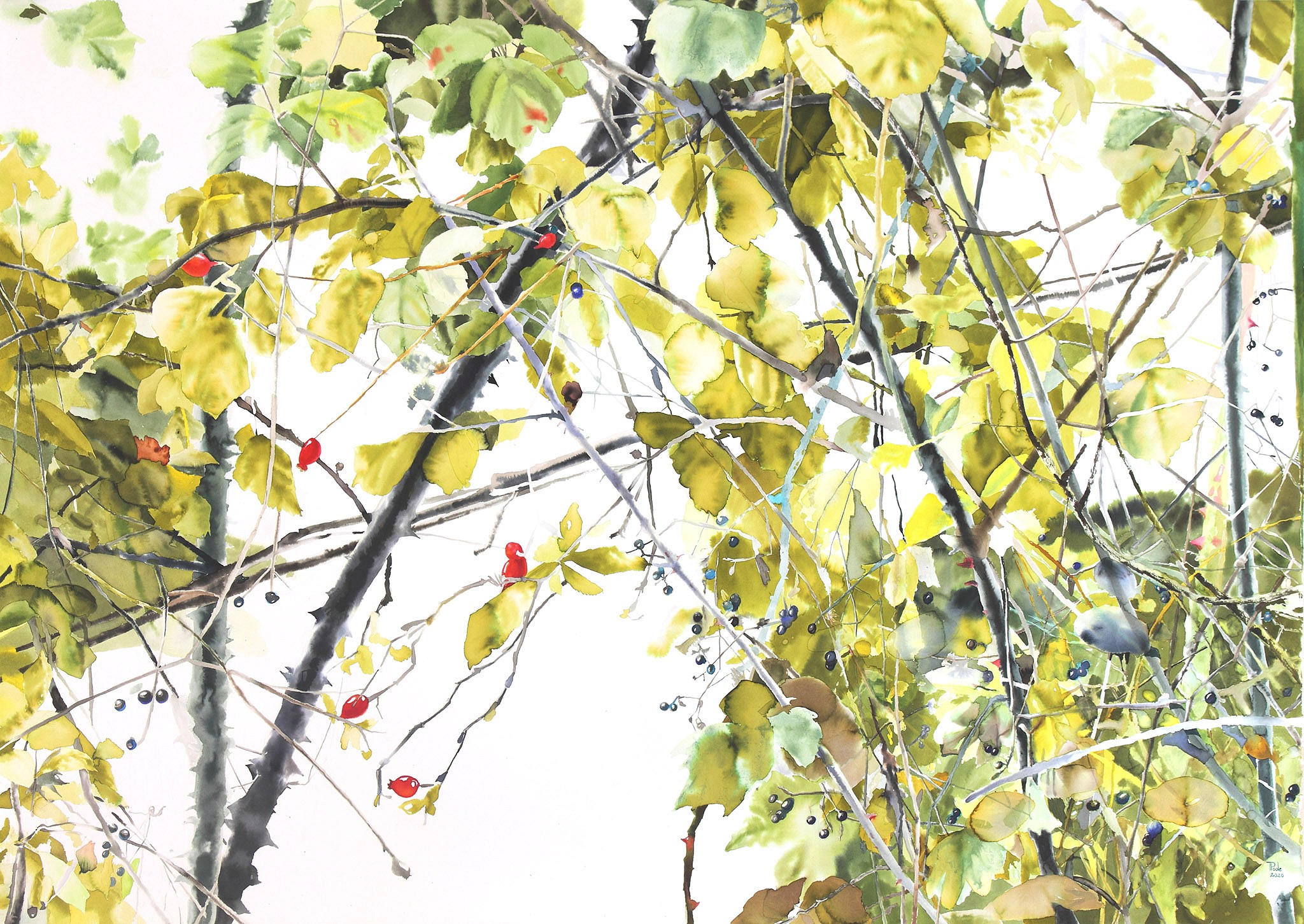
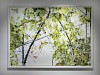
TANYA POOLE, Hedgerow Composition #1
Ink on paper, 86 x 120 cm
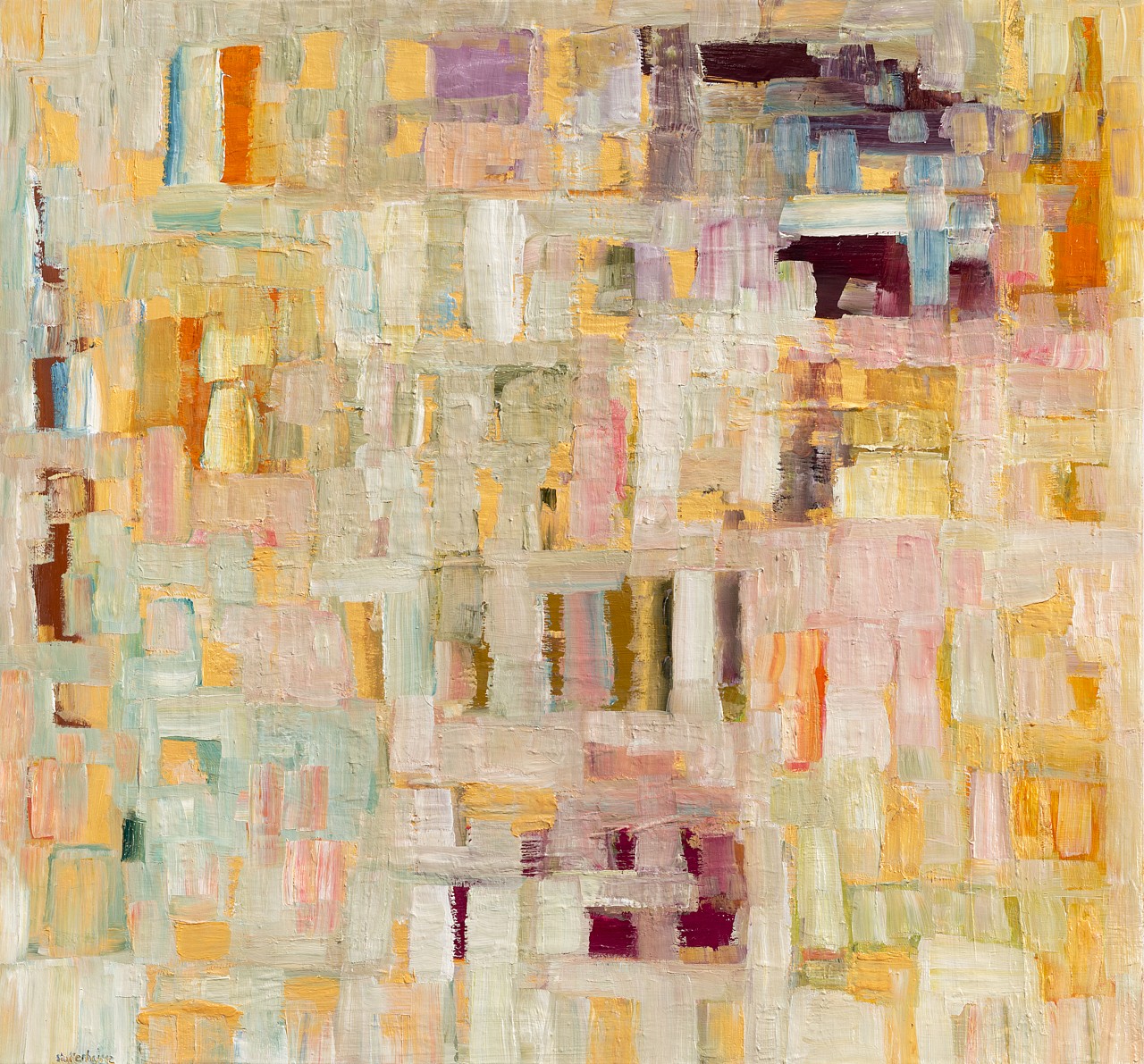
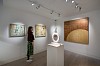
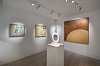
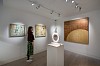
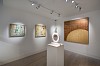
PENELOPE STUTTERHEIME, Weaver II
Oil on canvas, 75 x 80 cm
Depicting inner landscapes has long been South African artist Penelope Stutterheime’s preoccupation. Drawing inspiration from dreams and the unconscious, her layered and textured oil paintings use impasto and intensely vibrant colour to create mesmerising abstract works.
Stutterheime’s work is highly symbolic. Conveyed through colour and form, the images are a representation of transformation and resolution. Her paintings are a portrayal of her own inner spiritual process and the traversing of personal and collective boundaries. The artist explains further:
‘The work reveals a slow unfolding, which continues still, of finding my voice, my dance, my melody. It is nourished by intense feeling, emotion contained on a white canvas, to be felt, to be experienced, to be read from the place where no words yet lie’.
Stutterheime’s process of making is intuitive and organic, the flat forms she places onto the canvas present a diffused sense of energy. The daughter of a forester, Stutterheime developed her intense love for landscape as a child, growing up in Newlands Forest, Cape Town. She also credits this for her particular and unique love of the colour green and its continuous presence throughout her works, identifying it as a soothing and comforting colour. Stutterheime lives and works in Cape Town. She studied part-time with the artist Simon Stone and the late Bill Ainslie, one of South Africa’s finest abstractionists, but aside from this is largely self-taught. She has participated in solo and group exhibitions consistently over the past thirty years. Her paintings are included in private and corporate collections around the world.
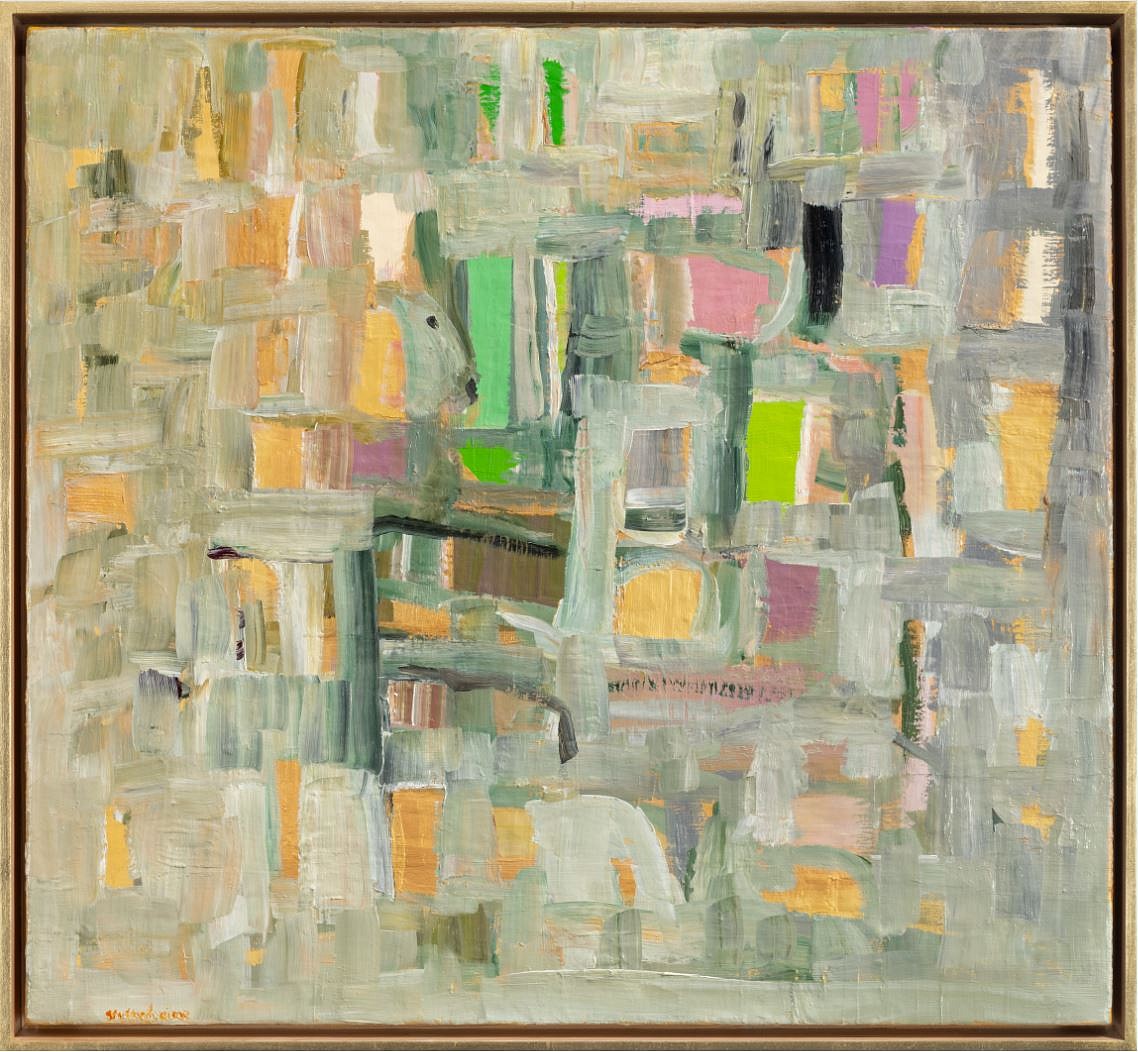
PENELOPE STUTTERHEIME, Weaver III
Oil on canvas, 80 x 80 cm
Depicting inner landscapes has long been South African artist Penelope Stutterheime’s preoccupation. Drawing inspiration from dreams and the unconscious, her layered and textured oil paintings use impasto and intensely vibrant colour to create mesmerising abstract works.
Stutterheime’s work is highly symbolic. Conveyed through colour and form, the images are a representation of transformation and resolution. Her paintings are a portrayal of her own inner spiritual process and the traversing of personal and collective boundaries. The artist explains further:
‘The work reveals a slow unfolding, which continues still, of finding my voice, my dance, my melody. It is nourished by intense feeling, emotion contained on a white canvas, to be felt, to be experienced, to be read from the place where no words yet lie’.
Stutterheime’s process of making is intuitive and organic, the flat forms she places onto the canvas present a diffused sense of energy. The daughter of a forester, Stutterheime developed her intense love for landscape as a child, growing up in Newlands Forest, Cape Town. She also credits this for her particular and unique love of the colour green and its continuous presence throughout her works, identifying it as a soothing and comforting colour. Stutterheime lives and works in Cape Town. She studied part-time with the artist Simon Stone and the late Bill Ainslie, one of South Africa’s finest abstractionists, but aside from this is largely self-taught. She has participated in solo and group exhibitions consistently over the past thirty years. Her paintings are included in private and corporate collections aroun
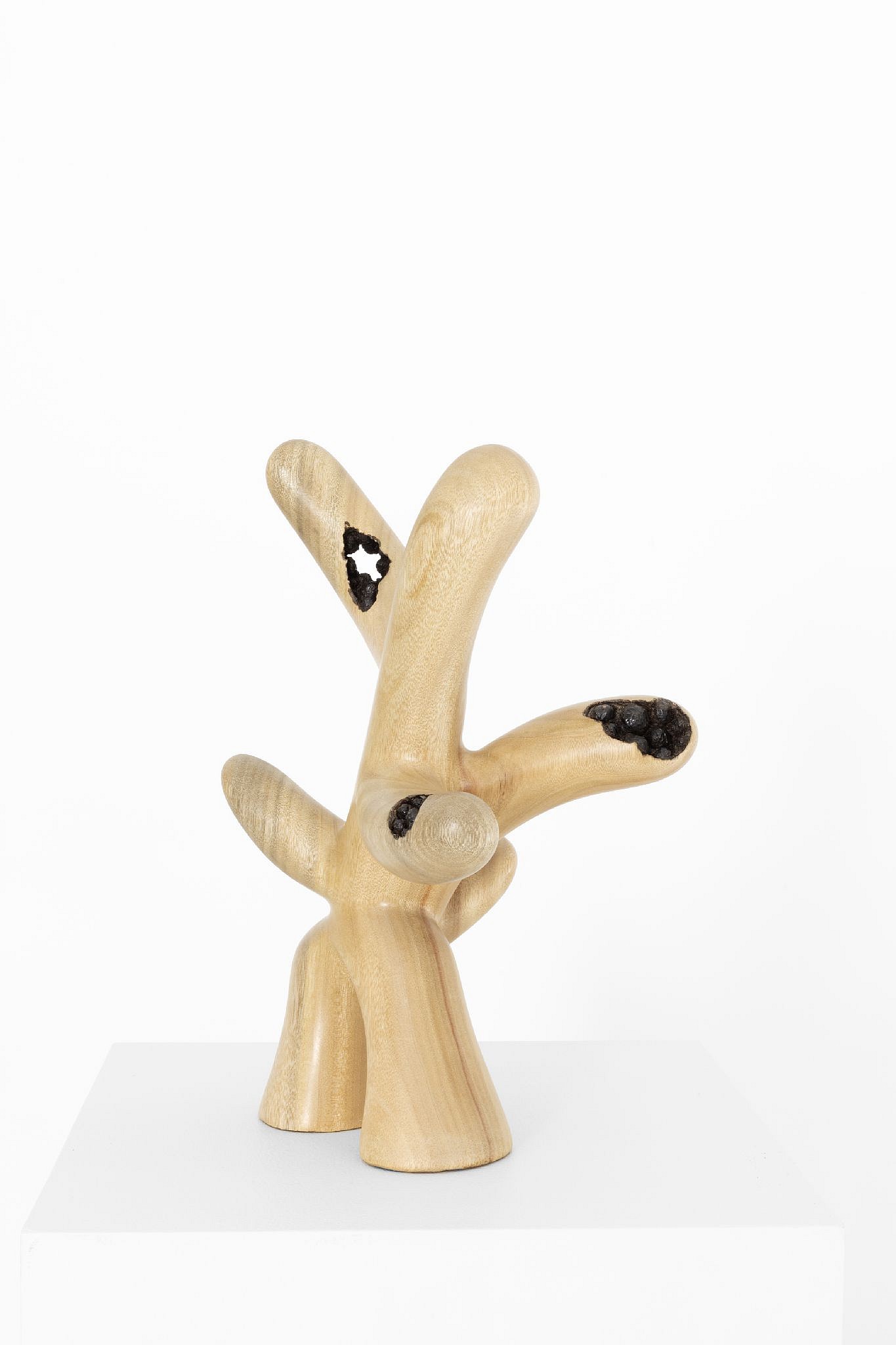
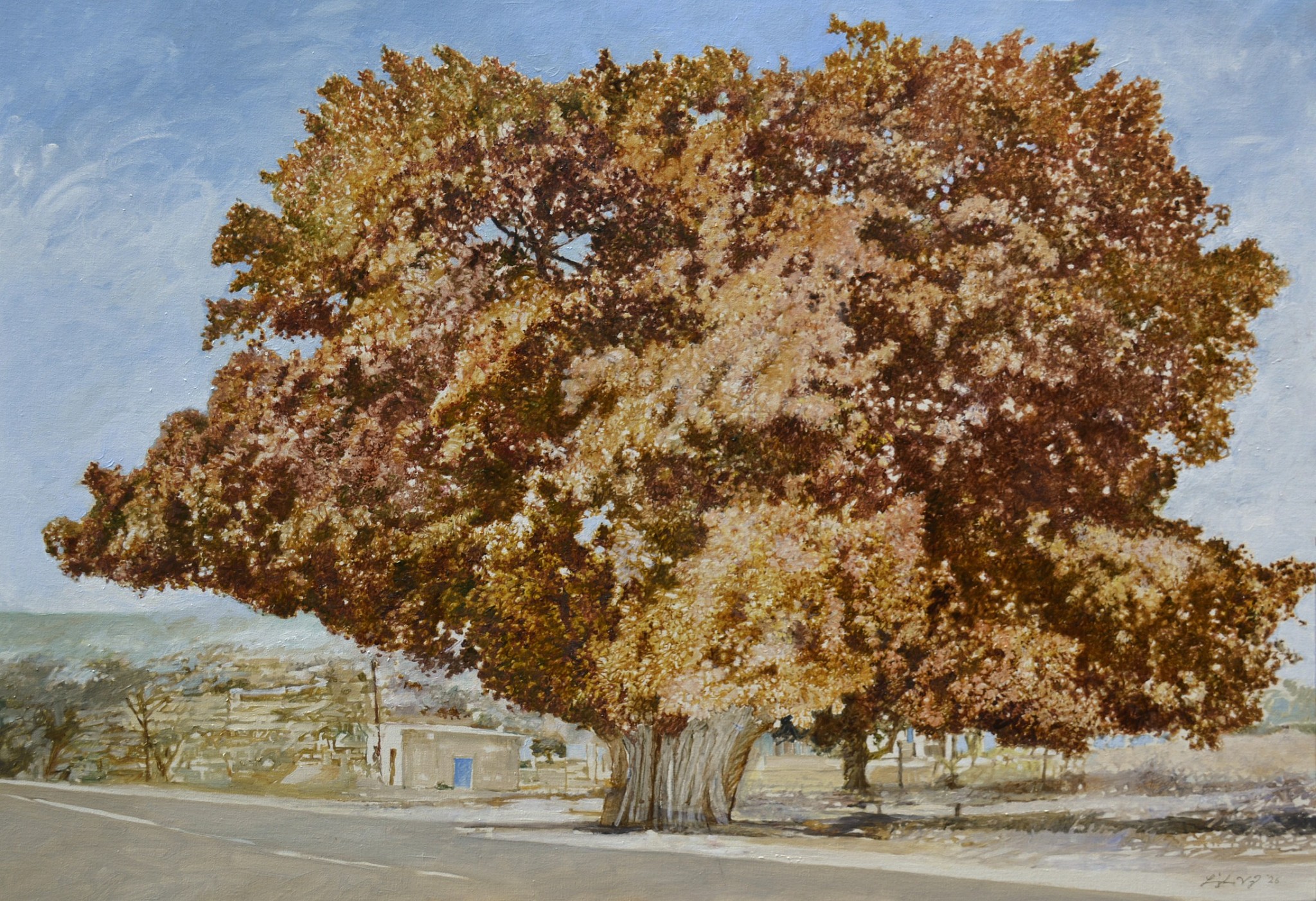
ATANG TSHIKARE, Setlhare III
Wood, 35 x 28 x 17 cm
Atang Tshikare is a Cape Town-based, self-taught multidisciplinary artist. Tshikare was influenced from a young age by the visual storytelling and graphic style of his father, an anti-Apartheid activist and illustrator for various pan-African publications and art magazines. Through his practice, Tshikare expresses his distinct, visionary African identity through a unique visual language, developed over his career. Over the last twenty years, his practice has evolved from street art and drawings to limited edition collectible design, intersecting sculptural furniture and functional art, moving more recently to three-dimensional visual art. Drawing on a deep connection to his own Tswana heritage and other southern African cultures, Tshikare’s experimental approach to creating work includes various mediums, such as bronze, ceramics, glass, stone, and wood. His work takes inspiration from his fascination with zoomorphic shapes, biomorphic forms, vernacular architecture, and local landscapes. Each form strikes up a dialogue between natural and manmade materials that are organic, minimalistic and invite tactile curiosity.






Specialists in contemporary art from South Africa. Established in 1913. South African artists are part of the global conversation. We seek to make their voices heard.